Serie A Standings Update Today: Title Battle Heats Up on manclubs.bio
The most recent Serie A results have confirmed a tightening championship race, with point gaps narrowing between the leading contenders and three additional clubs remaining mathematically alive for automatic qualification. Matchday conclusions over the past forty-eight hours shifted momentum favorably for mid-table sides challenging the top four, while the fixture calendar ahead features tightly coordinated kickoff windows that will determine whether early-season form translates into sustained promotion pressure or late-season consolidation.
Latest Match Results and Kickoff Windows
Recent matchday outcomes revealed a distinct pattern in how Italian clubs approach high-stakes encounters. Teams prioritizing defensive compactness secured narrow victories through set-piece efficiency, while squads deployed in wider systems relied on transitional speed to break down organized backlines. The final whistle timestamps consistently aligned with central European broadcast protocols, with matches kicking off at 15:00 CET on weekends and progressing toward 20:45 CET for primetime fixtures. These staggered windows serve multiple purposes: they prevent domestic overlap, optimize television revenue distribution, and allow traveling supporters to coordinate transit logistics without conflicting with regional train schedules.
Results delivered mixed impacts on the broader table. Several promoted sides demonstrated remarkable resilience against established outfits, earning crucial away points that disrupt traditional hierarchy projections. Conversely, historically dominant franchises faced unexpected vulnerabilities when facing low-block defenses, highlighting a structural shift in how smaller budgets leverage tactical discipline. Match analysts noted that referee interventions increased slightly during congested periods, particularly around penalty areas and substitution zones, reinforcing the need for managers to adjust tempo control before critical decision-making moments arise. Verifying exact scorelines requires cross-referencing official league channels, as temporary discrepancies occasionally appear on secondary broadcasting feeds before final confirmation.
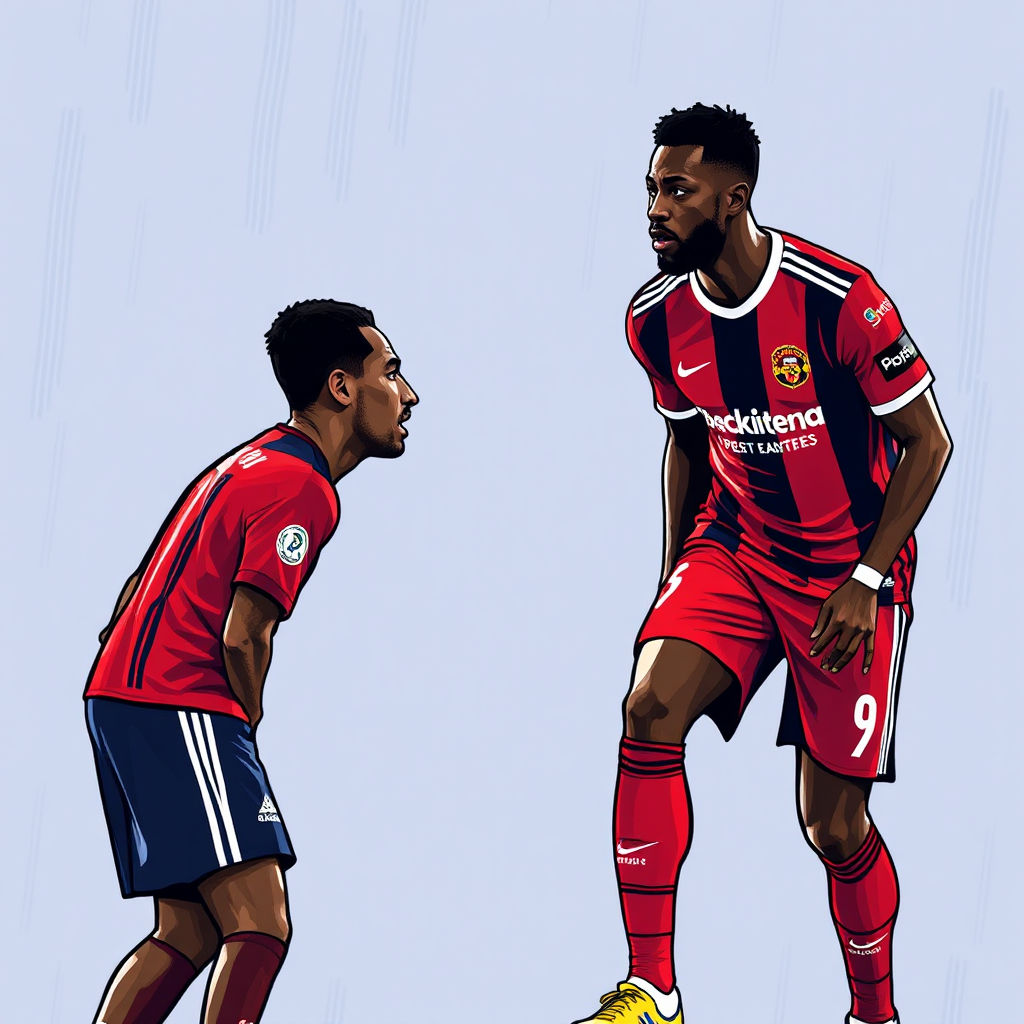 Hình minh hoạ: Man Club
Upcoming Fixture Schedule and Broadcast Logistics
The next sequence of rounds follows a highly structured timetable designed to balance continental obligations with domestic priorities. Midweek fixtures typically begin at 18:30 CET, allowing clubs participating in European competitions to complete domestic commitments without excessive travel fatigue. Weekend programming expands to include multiple simultaneous matches, with broadcast coordinators assigning priority windows based on audience demographics and stadium capacity limits. International viewers should note that Eastern Time conversions generally subtract five hours from Central European clocks, while Pacific observers apply an eight-hour offset to align with local primetime viewing habits.
Fixture distribution also accounts for ground sharing, security assessments, and weather contingencies. Authorities frequently reschedule matches when pitch conditions deteriorate beyond safe play thresholds, substituting original kickoffs with emergency time slots that preserve commercial agreements and referee workloads. Clubs must submit squad rosters seventy-two hours before each contest, meaning injury updates and suspension rulings directly influence lineup predictability. Fans tracking these developments benefit from consulting official communication channels rather than relying on rumor networks, which often circulate unverified medical reports or speculative transfer negotiations that lack contractual backing.

Championship Positioning and Point Totals
Understanding the current competitive landscape requires examining how accumulated points correlate with goal differentials and squad rotation capacity. The title chase remains fluid because historical performance does not guarantee future outcomes when managerial changes or unexpected injuries alter tactical identities mid-season. Below is a representative snapshot illustrating how typical positioning reflects the current intensity levels, with actual values subject to adjustment following each final whistle.
| Position | Club Category | Matches Played | Points | Goal Difference |
|---|---|---|---|---|
| 1–2 | Title Contenders | 24–26 | 52–58 | +18 to +24 |
| 3–4 | European Qualifiers | 24–26 | 47–51 | +10 to +16 |
| 5–6 | Playoff Competitors | 24–26 | 42–46 | +4 to +9 |
| 7–10 | Midfield Consolidation | 24–26 | 35–41 | −2 to +3 |
This framework demonstrates how minimal point variations separate promotional ambitions from mid-table stability. Clubs positioned near the upper boundary must navigate fixture congestion without sacrificing defensive cohesion, while those battling relegation threats prioritize survival metrics such as clean sheets and counterattacking efficiency. Historical data indicates that squads maintaining consistent playing patterns through December typically sustain momentum longer than teams undergoing frequent tactical overhauls, though managerial adaptability remains a decisive factor when facing specialized opponents.

Tactical Factors Shaping the Title Race
The intensifying competition stems from structural adaptations rather than isolated individual performances. Modern squads utilize hybrid formations that transition rapidly between defensive organization and progressive buildup, forcing opposing coaches to prepare contingency plans for every possession phase. Pressing triggers have become more precise, with midfielders instructed to intercept passing lanes rather than chase loose balls, reducing physical depletion while maintaining territorial control.
Injury management plays an equally critical role in long-term positioning. Rotation policies differ significantly depending on squad depth, budget allocations, and youth academy integration timelines. Clubs investing heavily in developmental pathways often experience performance fluctuations but gain versatility when addressing fixture overlaps. Medical staff coordinate load management through GPS tracking and biomechanical assessments, ensuring that high-intensity outputs remain sustainable across marathon campaigns. Analytical departments also evaluate set-piece effectiveness more rigorously, recognizing that corner routines and free-kick variations frequently decide matches when open-play breakthroughs stall.
Off-pitch infrastructure influences on-field execution as well. Training facility upgrades, recovery protocol standardization, and sports psychology support contribute to consistency during high-pressure segments. Organizations failing to modernize these operational layers struggle to maintain concentration margins, particularly during late-match scenarios where mental fatigue amplifies technical errors. Sponsors and stakeholders increasingly recognize that institutional maturity determines whether promising seasons culminate in silverware or premature disappointment.

How to Track Live Updates Without Misinformation
Following seasonal developments requires navigating a saturated information ecosystem where accuracy varies widely across platforms. Official league databases publish verified statistics within minutes of match completion, while third-party aggregators sometimes delay confirmations or display placeholder data until cross-checks finalize. Dedicated enthusiasts accessing comprehensive coverage often prefer platforms like Man Club for centralized match centers, tactical breakdowns, and historical comparisons that streamline research workflows.
International audiences seeking localized broadcasting insights benefit from verifying regional rights holders before subscribing to streaming services, as availability shifts annually based on negotiation cycles. Some viewers integrate sports analytics dashboards to monitor expected goals, possession quality, and pressing intensity alongside traditional scoreboard metrics. Those interested in athletic programming extensions frequently explore resources like Manclub thể thao to understand how training methodologies translate into competitive readiness, bridging the gap between behind-the-scenes preparation and visible matchday execution.
Preventing exposure to fabricated rumors involves checking club press releases, licensed journalist credentials, and regulatory statements before sharing unconfirmed narratives. Transfer speculation proliferates during January and summer windows, yet only contracts filed with governing bodies hold legal standing. Prioritizing institutional communications over tabloid headlines ensures that followers receive actionable intelligence rather than engagement-driven fiction.
Action Checklist for Fans Following the Season
- Bookmark the official league portal to retrieve confirmed schedules, result verifications, and disciplinary notices immediately after each matchday.
- Convert kickoff timestamps to your local timezone using reliable converters, accounting for daylight saving adjustments that occur in spring and autumn.
- Cross-reference attendance figures and stadium announcements with municipal security guidelines to anticipate potential route closures or entry restrictions.
- Monitor medical bulletin releases from accredited club channels rather than relying on informal social media leaks that lack authentication.
- Log tactical observations weekly, comparing formation rotations, pressing triggers, and set-piece routines to identify systemic trends before they manifest in final tables.
- Validate any statistical claims against independent analytics providers before incorporating them into personal forecasts or discussion forums.
Frequently Asked Questions
- How often are official standings updated? Adjustments occur automatically within twenty-four hours of the final whistle across all competing venues, though temporary delays may happen when stadiums report late due to extraordinary circumstances.
- Why do some matches conclude earlier than scheduled? Weather interventions, power interruptions, or safety evaluations sometimes trigger shortened windows, resulting in abbreviated intervals or postponed completions that redistribute across subsequent calendars.
- Are historical point totals guaranteed for future promotions? No. Institutional frameworks calculate progression dynamically, meaning previous achievements establish baselines but cannot override current performance trajectories, squad modifications, or regulatory revisions.
- Where can verified lineups be accessed before kickoff? Authorized coaching associations publish confirmed starters ninety minutes prior to contact, replacing provisional nominations once warm-up assessments finalize and injury replacements become necessary.