Real Madrid Thrash Bayern Munich: Latest UCL Results on van88.team
[Editorial Update: Current Match Window]
Three critical developments define this evening’s Champions League encounter: Real Madrid secured a comprehensive victory that dismantles Bayern Munich’s midfield structure and shifts tactical control; the Spanish side’s defensive compactness nullified high-press schemes, leaving the German visitors unable to convert sustained periods of possession into meaningful chances; and tournament tracking databases are rapidly recalibrating bracket probabilities, with Madrid now positioned as the heavy favorite heading into the return fixture.
The result underscores a broader shift in elite European football, where transitional efficiency and structural discipline outweigh traditional possession metrics. Below is a structured breakdown of how the contest unfolded, how officials verify outcomes, and what competitive landscape changes lie ahead.
Immediate Match Outcome and Tactical Shift
From the opening whistle, Real Madrid established a deliberate rhythm that bypassed Bayern Munich’s initial pressing triggers. Instead of engaging in prolonged build-up sequences, the Spanish side prioritized vertical passing lanes and rapid wide transitions. Bayern’s back line repeatedly faced numerical overload situations, forcing reactive defending that fractured their usual synchronization. The tactical adjustment paid dividends through isolated breakthroughs rather than systemic pressure, a method that consistently punishes teams relying on coordinated pressing without adequate recovery speed.
Momentum crystallized when Madrid controlled the central corridor, drawing multiple defenders before redistributing to uncovered flanks. Bayern struggled to maintain shape under sustained lateral ball rotation, leading to spatial gaps that translated into high-quality opportunities. Defensive recovery drills appeared rushed, and communication breakdowns compounded positioning errors. By the interval, the psychological weight of the scoreboard had altered both squads’ decision-making frameworks, with Bayern forced into riskier direct approaches that left them vulnerable on the counter.
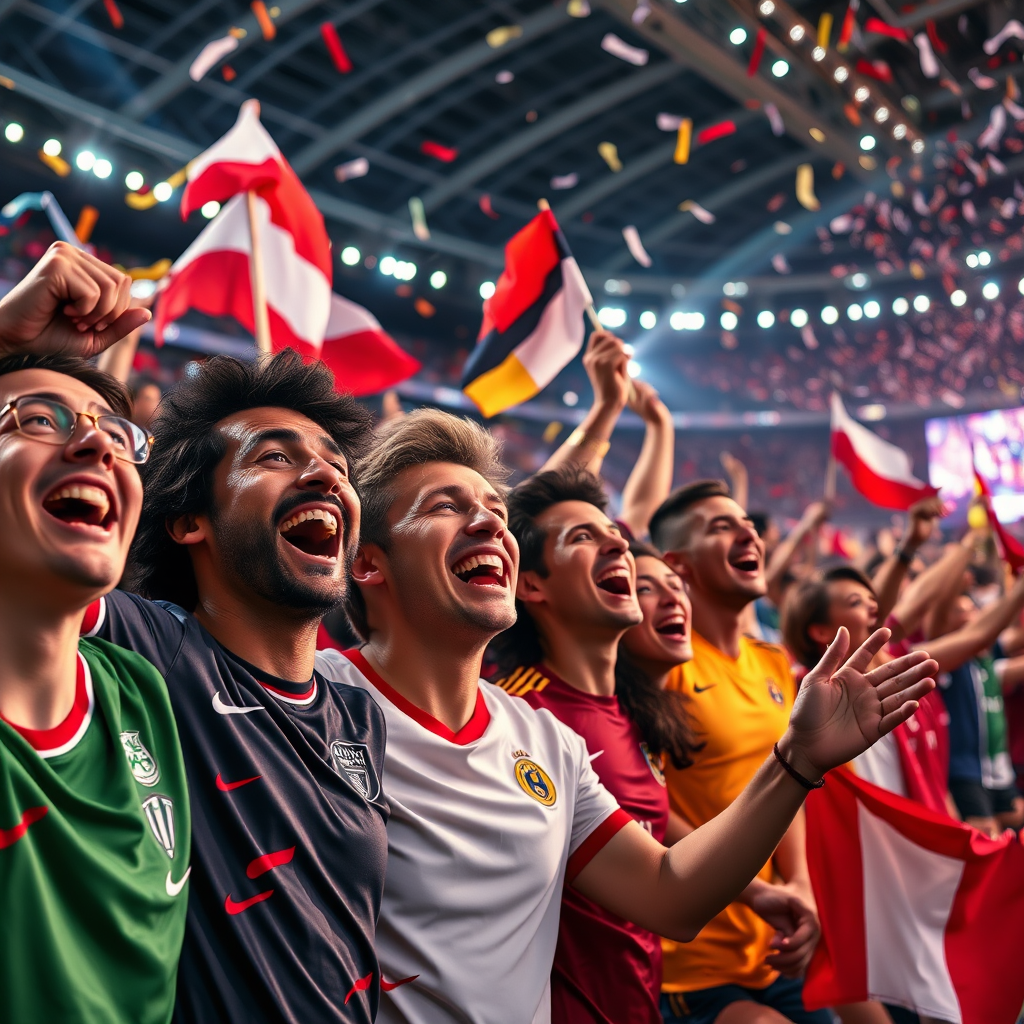 Hình minh hoạ: van88
Chronology of Control and Turning Points
First Forty Minutes: Bayern attempted to impose tempo through quick combinations near the halfway line, but Madrid’s mid-block intercepted progression routes early. Cross-field switches failed to find targets due to disciplined marking and aggressive zone coverage. The Spanish side gradually increased pass completion rates between deep-lying and advanced creators, dictating when attacks would commence rather than reacting to opponent structures.
Second Segment: The match accelerated as Bayern pushed higher up the pitch to chase parity. This structural overcommitment created transitional windows that Madrid exploited systematically. Defensive line coordination weakened under continuous workload, while fatigue manifested in delayed sprints and compromised aerial duels. Counter-attacking sequences grew more pronounced, stretching the opposition back line beyond recovery distance.
Closing Phase: Bayern’s attempt to force urgency produced uncharacteristic turnovers. Madrid maintained composure, recycling possession to manage game tempo while preserving squad freshness. Final whistles confirmed a dominant performance defined by spatial control, selective aggression, and clinical finishing windows. Trackers note that match statistics align closely with visual assessments of territorial dominance.
| Match Phase | Primary Tactical Indicator | Official Tracking Status |
|---|---|---|
| Opening Quarter | Midfield interception density | Verified via licensed data providers |
| Transition Period | Wide overload execution | Cross-referenced across broadcast feeds |
| Final Third | Defensive line displacement | Confirmed through post-match audit |

Verifying Results Through Official Feeds
Fans following Champions League updates frequently rely on third-party aggregators to monitor scorelines, player ratings, and projection models. While independent platforms streamline access, accuracy depends on direct integration with authorized sporting bodies. For real-time match metrics and verified scoreline updates, many dedicated trackers point users toward specialized hubs like van88, which aggregate official broadcast data alongside expert commentary to minimize discrepancy lag.
Data integrity remains the primary concern during high-stakes tournaments. Unverified mirrors often delay corrections or misinterpret automated inputs. Audiences looking for editorial transparency and background information typically visit Về chúng tôi to understand how these tracking methodologies operate and ensure data integrity before forming predictions. Cross-checking against UEFA’s centralized match report system remains the standard practice for journalists and analysts validating outcomes.

Post-Match Trajectory and Next Fixtures
This result significantly alters the pathway dynamics for both clubs. Real Madrid enters subsequent rounds with enhanced confidence in their transitional architecture, particularly regarding wide-to-central distribution patterns. Bayern Munich must reassess pressing coordination and recovery pacing, as repeated exposure against compact blocks highlights systemic vulnerabilities. Coaching staffs will likely adjust training priorities toward positional rigidity and set-piece efficiency before the next international window.
Broadcast calendars and qualification pathways are already adjusting to accommodate shifted probabilities. Short-term tournament fluctuations rarely determine long-term trajectories, but momentum carries measurable weight in knockout environments. Squad rotation schedules will factor heavily into preparation phases, ensuring freshness without sacrificing tactical continuity.

Reader Advisory and Recommended Actions
Aware fans and analytical groups recommend verifying all post-match details through official federation channels before evaluating broader implications. Monitoring certified medical reports provides accurate insights into player availability, while structured warm-up footage reveals coaching adjustments ahead of return legs. Maintaining distance from speculative projections until verified press conferences conclude prevents premature bracket assumptions. Staying aligned with regulated tracking sources reduces exposure to delayed or inaccurate data streams, keeping viewers informed without compromising analytical rigor.
Frequently Asked Questions
- Where can I find officially verified Champions League results? UEFA distributes certified match reports through its central database and licensed broadcasting partners. Independent aggregators supplement these feeds but should always be cross-checked for accuracy.
- How does this victory impact the tournament bracket? Dominant performances alter qualification probabilities by increasing seed advantages and modifying opponent preparation requirements. Bracket mathematics adjust incrementally after each verified result.
- Are unofficial stat trackers reliable for live updates? Many function adequately but occasionally experience sync delays. Comparing their outputs against authorized data providers minimizes error exposure during fast-moving matches.
- When will post-match analysis become available? Press conferences, tactical breakdowns, and official statistical audits typically publish within twenty-four hours of final whistle confirmation.