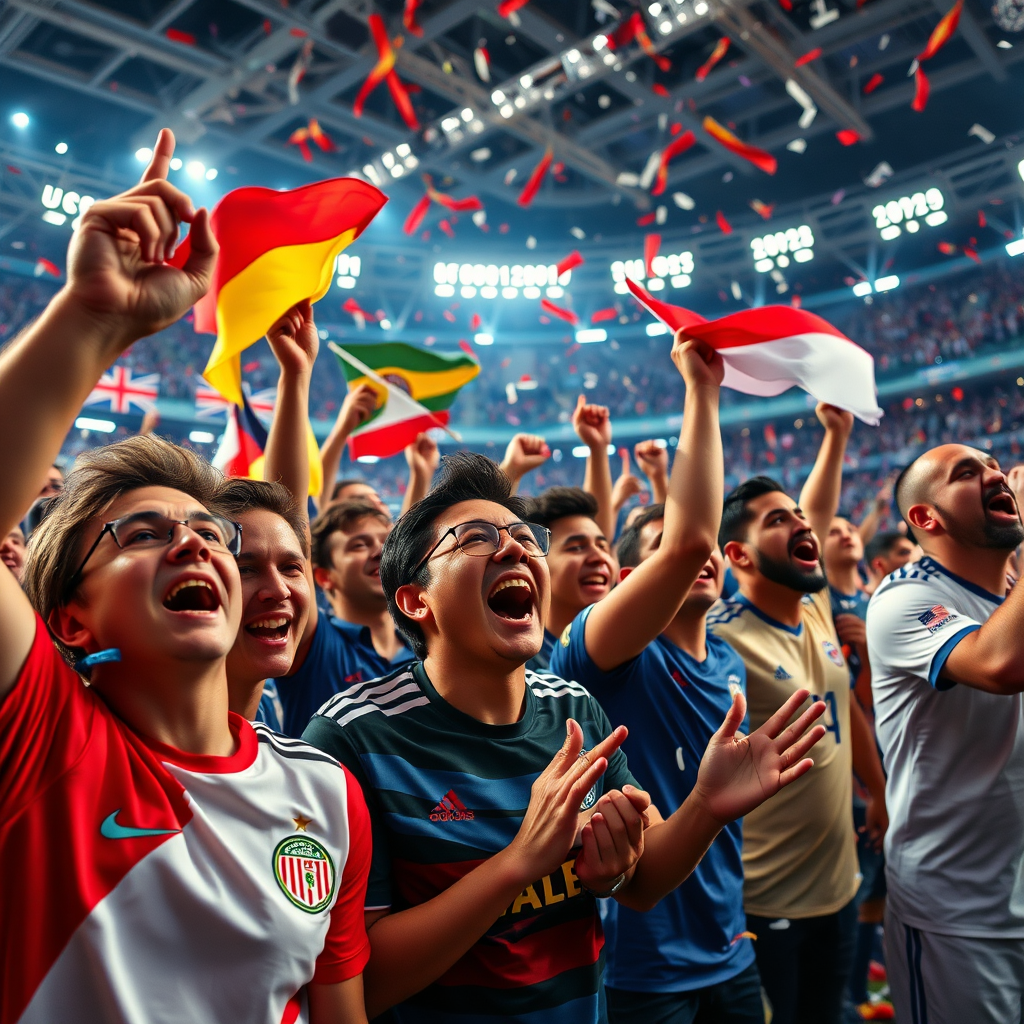
Category: News

  • Fitness Alert: Man City Key Star Doubtful for Big Match

    Fitness Alert: Man City Key Star Doubtful for Big Match

    Three critical observations shape the current landscape surrounding this fitness notification: First, the official medical classification remains provisional, meaning final clearance hinges on post-session mobility metrics rather than initial scan results. Second, tactical contingency planning has already begun within the technical staff, with alternative positional configurations being drilled during closed-door sessions. Third, definitive confirmation will only emerge through club-sanctioned channels within the next forty-eight hours, rendering speculative forums and unverified social media threads academically unreliable for serious decision-making.

    Tracking the Narrative: What Fans and Analysts Are Actually Looking For

    When a prominent squad member faces availability uncertainty ahead of a high-stakes fixture, search behavior shifts dramatically. Casual supporters typically seek immediate lineup projections, while fantasy participants and statistical analysts require granular data on playing time distribution, historical substitution patterns, and performance drops when rotational players step into unfamiliar roles. The underlying motivation rarely stays confined to simple yes-or-no answers; readers want to understand cascading effects across the entire roster.

    Modern information ecosystems demand rigorous evaluation across five operational dimensions. Transparency refers to whether reporting outlets disclose their sourcing methods, timestamp updates accurately, and distinguish between confirmed medical notes and third-hand training ground anecdotes. Speed measures how rapidly accurate corrections replace outdated rumors, particularly when early headlines claim certainty before diagnostic imaging concludes. Usability evaluates how effectively platforms organize chronological updates, filter noise from signal, and present comparative squad depth charts without overwhelming newcomers. Security examines whether information hubs protect user data, avoid aggressive tracking scripts that slow load times, and refrain from monetizing panic-driven clicks. Support encompasses the availability of expert commentary, clear editorial guidelines, and accessible contact pathways for readers seeking clarification on ambiguous terminology.

    When applying these criteria to current coverage of the Manchester City situation, the distinction between responsible journalism and algorithmic click aggregation becomes immediately apparent. Readers benefit most when they cross-reference multiple independent beat reporters, compare timestamps against official club press releases, and prioritize outlets that maintain correction policies rather than doubling down on initial assumptions.

    rikvipHình minh hoạ: rikvip

    Situational Context: Where the Squad Stands Before Kickoff

    The upcoming fixture carries weight beyond standard league progression. Historical matchups against similarly structured opponents often expose marginal differences in pressing intensity, transitional defending, and set-piece execution. When a primary creative or defensive anchor faces doubt, the tactical ripple effect extends well beyond individual replacement charts. Coaching staffs typically adjust formation compactness, redistribute passing responsibilities, and modify pressing triggers to compensate for altered spatial control.

    Manchester City’s historical approach under sustained pressure emphasizes positional interchangeability, which provides inherent resilience during squad fluctuations. However, certain tactical systems rely heavily on specific player attributes, including first-touch accuracy under high defensive lines, recovery speed during counter-pressing sequences, and communication frequency when shifting defensive blocks. Identifying which attributes belong to the player in question allows observers to anticipate whether the team will adopt a more conservative buildup or experiment with wider overloads to bypass midfield congestion.

    Training ground activity serves as the earliest tangible indicator. Coaches frequently alter session structures when key personnel face minor knocks, emphasizing reduced contact drills, modified running loads, and targeted recovery protocols. Observant analysts track these adjustments by monitoring pre-match warm-up routines, noting which substitutes receive additional individualized work, and comparing expected match intensity against recent training outputs. None of these indicators guarantee availability, but they establish probability ranges that inform realistic expectations.

    rikvip

    Navigating the Update Cycle: A Practical Workflow for Verification

    Following an injury development requires discipline. Unverified platforms often circulate conflicting reports simultaneously, creating confusion that benefits engagement algorithms rather than informed discussion. Establishing a systematic verification routine prevents reactive conclusions and reduces exposure to misleading narratives.

    1. Identify official club channels first. Press conferences, verified social media accounts, and accredited publication partnerships consistently provide the most accurate baseline status.
    2. Cross-reference specialist beat reporters who attend daily training. Look for consistent terminology across multiple journalists rather than isolated dramatic headlines.
    3. Check timestamp accuracy. Early morning reports often reflect overnight developments, while afternoon updates incorporate post-session assessments that change availability probabilities.
    4. Monitor tactical analyst breakdowns. These professionals translate physical status into formation adjustments, offering clearer pictures than rumor mills.
    5. Document source credibility. Maintain a mental ledger of outlets that correct errors promptly versus those that persist with outdated claims.

    Integrating reliable tracking tools simplifies this process significantly. Platforms like rikvip occasionally aggregate sports updates alongside broader digital resources, allowing readers to centralize notifications without jumping between fragmented feeds. The goal remains consistency, not volume. Fewer trustworthy sources outweigh dozens of unverified posts, especially when deadline pressure forces premature conclusions.

    rikvip

    Information Integrity: Assessing Transparency, Speed, Usability, Security, and Support

    Evaluating how different channels handle this fitness alert reveals stark contrasts in editorial standards. Transparency varies widely when outlets describe symptom severity. Responsible reporters specify whether an issue involves muscle fatigue, ligament strain, or joint irritation, acknowledging that recovery timelines differ fundamentally based on tissue type. Outlets that obscure details behind vague phrasing like “minor knock” or “assessment ongoing” fail readers who require actionable context.

    Speed determines whether misinformation gains traction before corrections arrive. In fast-moving football cycles, early headlines claiming definite exclusions often contradict later confirmations of participation. Reliable sources implement rapid correction banners, pin updated threads, and remove contradictory archival snippets. Slow responders leave outdated claims visible, forcing readers to manually filter obsolete information.

    Usability impacts comprehension during high-stress periods. Well-structured pages separate confirmed status from speculation, display timeline progress clearly, and avoid pop-up interstitials that interrupt reading flow. Cluttered interfaces increase cognitive load, making it harder to distinguish between verified medical updates and opinion pieces disguised as breaking news.

    Security remains an overlooked factor in sports information consumption. Aggressive ad networks, cookie consent traps, and data harvesting scripts degrade page performance while compromising privacy. Readers relying on mobile devices face particular vulnerability when loading compromised pages consumes bandwidth and delays access to critical lineup confirmations. Clean, lightweight architectures preserve both speed and personal data integrity.

    Support mechanisms determine long-term trust. Outlines that publish editorial guidelines, maintain transparent correction policies, and respond to reader inquiries build sustainable credibility. Anonymous blogs with no accountability structure erode confidence, especially when financial incentives drive sensationalism over accuracy. Evaluating these five dimensions creates a reliable filter for navigating any major fitness alert.

    Clarifying Common Uncertainties

    How quickly do minor injuries resolve before matchday? Recovery depends entirely on tissue type and workload management. Muscle strains typically require seven to fourteen days of graded return-to-play protocols, while joint stiffness or localized soreness may improve within forty-eight hours if managed conservatively. Medical teams prioritize functional movement over pain elimination, meaning absence of discomfort does not automatically equal full readiness.

    Does doubtful status automatically mean bench placement? Not necessarily. Players carrying minor concerns sometimes complete warm-ups, participate in limited training segments, and enter matches with adjusted minutes. Managers frequently rotate involvement to monitor response levels, particularly when squad density permits safe rotation without compromising structural integrity.

    Should fantasy participants panic-switch immediately? Premature roster changes often backfire when late fitness tests yield positive clearance. Monitoring official pre-match press conferences and waiting for manager confirmation reduces unnecessary volatility. Experienced managers prefer strategic flexibility over reactive replacements, preserving budget efficiency for proven performers.

    Why do some outlets report conflicting availability windows? Different reporters operate on varying access levels. Medical staff brief designated journalists separately, creating staggered information release. Additionally, terminology translation errors occur when regional dialects interpret clinical notes differently, generating false discrepancies that resolve quickly once standardized phrasing emerges.

    rikvip

    Final Considerations and Group-Specific Recommendations

    Managing expectation around squad availability requires calibrated patience. The period between initial notification and final announcement functions as a probabilistic window rather than a binary switch. Accepting uncertainty as a normal component of professional football preparation reduces frustration and improves decision quality across all engagement levels.

    Casual supporters benefit most from anchoring expectations to official press conference language. Managerial phrasing carries legal and reputational weight, making cautious optimism the safest stance until explicit confirmation arrives. Avoiding forum-based speculation preserves viewing enjoyment and prevents disappointment when unexpected lineup shifts occur.

    Fantasy managers and statistical participants should implement dynamic substitution thresholds. Setting automatic swaps triggered by verified exclusion announcements eliminates manual tracking stress. Maintaining reserve options with favorable fixtures ensures budget stability regardless of last-minute fitness developments. Prioritizing players with consistent minutes over high-ceiling alternatives reduces variance during uncertain windows.

    Tactical analysts and bettors require structured scenario modeling. Developing three distinct lineup frameworks covers most probable outcomes, eliminating reactive positioning when news breaks. Comparing historical substitution patterns, pressing intensity metrics, and set-piece efficiency under rotated squads provides measurable advantages over emotion-driven predictions. Documenting model accuracy across multiple fixtures builds long-term reliability.

    The fitness alert surrounding Manchester City’s key participant ultimately reinforces a fundamental principle: professional football operates on continuous adaptation rather than static perfection. Squad depth, tactical flexibility, and disciplined information verification separate informed observers from passive consumers. Applying structured evaluation criteria, prioritizing verified sources, and adjusting strategies according to confirmed developments ensures preparedness regardless of final availability outcomes. Patience, methodical tracking, and calibrated expectations remain the most effective tools available.


    rikvip
  • Napoli vs Fiorenita Match Analysis: Comparing Approaches by User Need

    Napoli vs Fiorenita Match Analysis: Comparing Approaches by User Need

    If you are evaluating the Napoli versus Fiorenita fixture, your optimal analysis path depends entirely on whether you prioritize foundational education, advanced statistical modeling, or rapid execution. Each approach requires different verification steps, data filters, and risk boundaries. There is no universal standard for assessing this matchup because competitive balance, tactical mismatches, and market pricing shift continuously before kickoff. Your workflow should align with your experience tier, capital tolerance, and time availability. New participants benefit from structured learning and strict bankroll caps, seasoned analysts thrive on market inefficiency detection and lineup tracking, and speed-oriented operators require low-latency alerts and automated execution protocols. Matching your analytical method to your actual constraints produces clearer insights and reduces exposure to unverified information.

    Quick Verdict by Use Case

    The most efficient way to approach Napoli vs Fiorenita match analysis depends on your primary objective and operational rhythm. Below is a direct breakdown of what each segment should prioritize before committing resources to the fixture.

    • New users: Focus on understanding baseline metrics like possession conversion rates, defensive line height, and shot quality thresholds. Verify team news through official club channels rather than third-party aggregators. Establish fixed loss limits and treat early engagements as educational exercises rather than profit targets.
    • Regular players: Prioritize value identification and line movement analysis. Track late scratch notifications, referee assignments, and weather conditions that impact tempo. Run comparative models against closing lines to measure prediction accuracy over multiple fixtures.
    • Speed-first users: Optimize for data latency and decision routing. Configure real-time feed monitors, predefine trigger thresholds, and practice execution under simulated delay conditions. Rely on standardized checklists rather than discretionary judgment during active windows.

    Each pathway acknowledges the same underlying reality: Napoli typically commands territorial advantage and structured build-up patterns, while Fiorenita often operates with compact defensive blocks and transition-focused attacks. Recognizing this dynamic allows you to filter noise and concentrate on variables that actually shift probability distributions.

    https://hitclub86.co.com/Hình minh hoạ: https://hitclub86.co.com/

    Comparison Criteria

    A fair evaluation of analytical approaches requires consistent measurement points. Rather than ranking methods by subjective preference, we assess them across five functional dimensions. These criteria apply directly to how participants process the Napoli versus Fiorenita matchup, from initial scouting to post-event review.

    Data Verification Standards

    All pre-match research begins with source reliability. Verified lineups, confirmed injuries, and official competition notices carry weight. Unverified rumors, social media speculation, and cached statistics introduce distortion. Participants who cross-reference official league bulletins with independent tracking services reduce confirmation bias. For those operating without institutional data subscriptions, manual verification remains mandatory before any market entry.

    Processing Velocity

    Time between information acquisition and decision formation determines exposure duration. Fast-moving fixtures reward preloaded templates and automated alerts. Thorough research cycles demand patience but often reveal mispriced edges. Neither approach dominates universally; each serves different operational environments and risk tolerances.

    Risk Calibration Framework

    Capital preservation dictates long-term viability. Fixed staking percentages, maximum drawdown thresholds, and session time limits prevent emotional escalation. Users who adjust position sizing based on confidence intervals outperform those who chase recoups after variance swings. The Napoli-Fiorenita profile typically involves asymmetrical expectations, making rigid risk controls essential regardless of analytical sophistication.

    Market Coverage Depth

    Beyond standard win-draw-loss structures, secondary markets offer distinct risk-return profiles. Total goals, Asian handicaps, corner counts, and player-specific props require separate valuation logic. Regular participants often isolate two to three correlated markets to maintain focus, while beginners frequently dilute attention across excessive options. Speed operators typically restrict themselves to liquid corridors where execution slippage remains minimal.

    Adaptability to Lineup Shifts

    Squad rotations, tactical pivots, and last-minute substitutions alter probability weights overnight. Analytical frameworks that ignore late changes operate on outdated assumptions. Systems that incorporate real-time verification protocols maintain relevance until kickoff. The difference between disciplined adaptation and reactive scrambling separates sustainable participants from transient ones.

    https://hitclub86.co.com/

    Side-by-Side Evaluation Matrix

    Criterion New Users Regular Players Speed-First Users
    Data Verification Standards Relies on official club releases and beginner-friendly explainer resources. Cross-checks at least two authoritative sources before proceeding. Uses multi-source triangulation, verifies injury timelines against medical reports, and flags discrepancies in real time. Depends on API-integrated feeds with automated flagging. Validates latency thresholds rather than manually reading announcements.
    Processing Velocity Takes extended periods to digest tactical concepts. Prefers pre-kickoff research windows over live adjustments. Balances depth with efficiency. Maintains rolling watchlists and updates models within standardized time blocks. Targets sub-second decision routing. Executes within predefined latency ceilings using template-driven workflows.
    Risk Calibration Framework Implements hard loss caps, treats sessions as learning intervals, and avoids progressive staking entirely. Adjusts sizing based on edge quantification, tracks ROI over rolling sample sizes, and enforces daily stop-limits. Presets maximum exposure per window, uses auto-cutoff triggers, and eliminates discretionary overrides during active phases.
    Market Coverage Depth Focuses on primary outcome markets to minimize complexity. Avoids correlated props until baseline competency develops. Targets niche liquidity pockets, maps secondary market correlations, and isolates value deviations from closing lines. Restricts attention to high-volume corridors with guaranteed execution reliability. Skips illiquid segments entirely.
    Adaptability to Lineup Shifts Pauses analysis upon unexpected changes. Requests simplified checklists and defers action until stability returns. Runs quick recalibrations, checks replacement player metrics, and adjusts probability weights accordingly. Triggers automatic alert sequences, swaps templates based on substitute profiles, and maintains execution continuity.
    https://hitclub86.co.com/

    Key Differences Explained

    The variations above are not arbitrary preferences. They reflect fundamentally different relationships with uncertainty, information processing, and operational capacity. When applied to the Napoli versus Fiorenita matchup, these differences become visible in how participants filter tactical narratives, price probability shifts, and manage exposure during volatile windows.

    Data Verification Standards reveal the largest divergence. Beginners often conflate popularity with accuracy. A trending article about Napoli’s attacking form carries no more weight than an unverified rumor about Fiorenita’s defensive injuries unless official sources confirm it. Seasoned analysts understand that reputation does not override documentation. They cross-reference press conference transcripts, training ground sightings, and competition roster filings. Speed operators bypass manual verification altogether, relying on structured data pipelines that pull directly from licensed providers. None of these methods guarantee perfection, but each reduces the likelihood of acting on stale or fabricated information.

    Processing Velocity intersects directly with market behavior. Pre-kickoff pricing reflects collective expectation, but sudden shifts occur when late information enters the ecosystem. New participants frequently wait for certainty, which rarely arrives. By the time lineups stabilize, odds have already adjusted. Regular players accept that perfect information is impossible. They work with probability bands and update their stance when threshold changes materialize. Speed-first operators treat velocity as a structural advantage. They map notification routing, test dashboard refresh rates, and rehearse decision trees until execution becomes mechanical. In fixtures where tactical flexibility defines the outcome, slower processing often means missing the informational window entirely.

    Risk Calibration Frameworks determine longevity more than prediction accuracy. Emotional spending, chasing deficits, and expanding position size after losses destroy accounts faster than incorrect forecasts. New users benefit from rigid boundaries because they lack the pattern recognition needed to self-regulate. Fixed stakes and session timers remove discretion from the equation. Regular players implement dynamic sizing tied to quantifiable edges, but they still require daily caps to prevent variance fatigue. Speed operators automate risk limits because human reaction times lag behind algorithmic thresholds. Regardless of approach, bankroll protection remains non-negotiable. No analytical model compensates for unrestricted exposure.

    Market Coverage Depth highlights specialization versus diversification. Beginners spread attention across too many options, which dilutes focus and increases cognitive load. Secondary markets demand separate evaluation logic. Corner counts behave differently than goal totals. Player props react to coach rotations rather than systemic trends. Seasonal participants narrow their scope to two or three correlated markets, allowing deeper study and cleaner performance tracking. Speed users restrict themselves to liquid corridors where order books remain deep enough to absorb immediate execution without slippage. Overextension guarantees mediocre results across all segments.

    Adaptability to Lineup Shifts separates disciplined observers from reactive participants. Coaches manipulate formations, rest starters, or deploy youth prospects to manage fatigue across competitions. Napoli’s structural dominance often relies on specific midfield partnerships, while Fiorenita’s transition effectiveness depends on identified wide outlets. When personnel changes occur, baseline assumptions collapse. Beginners typically halt their entire workflow, waiting for clarity that may never arrive before kick-off. Regular players perform rapid recalibrations, checking replacement statistics and adjusting probability weights accordingly. Speed operators trigger preconfigured alert chains, swap analytical templates based on substitute profiles, and maintain continuous execution flow. Adaptability is not about guessing correctly; it is about updating efficiently.

    These distinctions matter because the Napoli-Fiorenita profile rarely produces predictable outcomes. Tactical mismatches, referee tendencies, and environmental factors interact in ways that defy simple forecasting. Participants who align their methods with their actual constraints consistently outperform those forcing incompatible workflows into a single framework.

    https://hitclub86.co.com/

    Recommendation by User Group

    Actionable implementation requires structured pathways tailored to each participant tier. Below are concrete steps designed to improve consistency, reduce exposure, and align analytical habits with realistic capabilities.

    For New Users

    1. Complete a baseline education cycle covering possession efficiency, shot quality metrics, and defensive block mechanics. Avoid advanced models until fundamentals are internalized.
    2. Establish a fixed bankroll limit and divide it into micro-units. Never stake more than a predetermined percentage on a single fixture.
    3. Verify lineups exclusively through official club websites, league bulletins, or accredited sports journalism outlets. Ignore unconfirmed social media posts.
    4. Record every decision alongside the reasoning behind it. Review outcomes weekly to identify recurring cognitive biases or data gaps.
    5. Treat early fixtures as calibration exercises. Prioritize process adherence over result tracking during the first dozen engagements.

    For Regular Players

    1. Maintain a rolling watchlist tracking referee assignments, travel fatigue indicators, and historical head-to-head patterns specific to this matchup profile.
    2. Run backtests against closing lines to measure edge consistency. Adjust position sizing based on quantified deviation rather than intuition.
    3. Monitor late scratch notifications using verified alert services. Update probability matrices within fifteen minutes of confirmed changes.
    4. Isolate two primary markets and two secondary correlates. Avoid spreading attention across unrelated propositions that dilute analytical focus.
    5. Implement daily stop-limits and mandatory review intervals. Remove discretionary overrides once thresholds are triggered.

    For Speed-First Users

    1. Configure real-time dashboards with preloaded alert thresholds for lineup changes, weather shifts, and market volatility spikes.
    2. Test execution latency across your primary provider. Measure round-trip response times under normal and peak traffic conditions.
    3. Build template-driven decision trees that activate automatically when predefined triggers fire. Eliminate manual intervention during active windows.
    4. Restrict activity to high-liquidity corridors where order books remain deep enough to prevent slippage during rapid deployment.
    5. Conduct weekly system audits to verify data sync accuracy, notification delivery reliability, and template alignment with current market behavior.

    Regardless of your classification, responsible participation remains mandatory. Set firm boundaries, acknowledge variance as inherent to competitive fixtures, and treat analysis as a skill-building exercise rather than a guaranteed income stream. The latest updates are available at https://hitclub86.co.com/. Approach each evaluation with discipline, document your process transparently, and allow measurable improvement to dictate expansion rather than emotion.

    Frequently Asked Questions

    Which analytical approach yields the highest accuracy for Napoli vs Fiorenita?

    No single method guarantees superior results. Accuracy depends on sample size, market selection, and execution consistency. Beginners typically achieve steadier outcomes by avoiding complex derivatives, while experienced participants extract value through targeted edge identification. Speed operators maximize volume but face higher variance. Align your method with your actual capacity rather than chasing theoretical perfection.

    How do I verify lineup changes without relying on untrusted sources?

    Cross-reference official club social media accounts, league competition portals, and accredited sports news agencies. Reputable outlets publish confirmed starting elevations thirty minutes before kickoff. Delay action until multiple authoritative channels align. Treat cached or unofficial postings as speculative until verification occurs.

    Is faster processing always preferable to thorough research?

    Velocity matters only when paired with reliable data routing and preconfigured decision frameworks. Slow processing loses informational windows. Rapid processing without verification increases error frequency. The optimal balance depends on your infrastructure, risk limits, and market liquidity. Match your speed to your validation capacity.

    What risk controls should I implement before placing wagers on asymmetric matchups?

    Fixed staking percentages, daily loss caps, and mandatory review intervals form the foundation. Avoid progressive betting, emotional recouping, and cross-market correlation blindness. Document every position, track variance statistically, and reset expectations after each cycle. Consistent boundary enforcement protects capital longer than predictive talent alone.

    https://hitclub86.co.com/
  • nhatvip.graphics Watch: Inter Milan Tactical Adjustments

    nhatvip.graphics Watch: Inter Milan Tactical Adjustments

    A tactical enthusiast sits at a dimmed monitor, mouse hovering over the pause button at the seventy-eighth minute. The match feed stalls. The buffer wheel spins. On screen, Inter Milan’s back three suddenly compress their center-back spacing after absorbing a rapid counterattack, while the right wing-back tucks inside to shield the defensive transition. The viewer wants to freeze that exact sequence, measure the vertical distance between the forward line and the defensive unit, and check whether the overlay correctly labels the pressing trigger. Instead, the timeline skips, the heatmap flickers, and the annotation claiming “high defensive line” contradicts what the camera actually captures. This moment illustrates the precise friction between elite-level football analysis and the digital environments built to host it. When platforms fail to synchronize video, data visualization, and interface responsiveness, the analytical value collapses regardless of how compelling the match itself may be.

    Why Fans and Analysts Prioritize Inter Milan’s Tactical Shifts

    Search intent around match footage and tactical breakdowns rarely revolves around passive viewing alone. Coaches, scouts, advanced fantasy participants, and dedicated analysts actively filter results based on structural clarity, timing precision, and the availability of pause-and-review functionality. The underlying request focuses on understanding how Simone Inzaghi adapts formations mid-game, rotates pressing responsibilities, and manipulates spatial geometry against varying opponent profiles. Viewers consistently look for platforms that separate raw broadcast footage from synthetic overlays, label positioning changes accurately, and allow independent adjustment of playback speed without audio desynchronization. When interfaces force auto-play, hide timeline controls, or flood the screen with competing advertisements, cognitive load increases and analytical workflows stall. Users who conduct repeated reviews typically demand transparent data sourcing, consistent update cadences, and searchable phase markers that align with official match events. The goal remains unchanged: isolate cause-and-effect relationships between coaching decisions and on-pitch execution, provided the technical delivery does not interfere with observation.

    https://nhatvip.graphics/Hình minh hoạ: https://nhatvip.graphics/

    The Core Mechanisms Driving Inter Milan’s Recent Formational Changes

    Inter Milan has increasingly demonstrated flexibility between a compact three-five-two and a fluid three-four-two-one depending on opponent vulnerability and match state. Against teams that maintain a low block, the wide wing-backs frequently tuck inward to temporarily form a midfield five, while the two forwards drop into half-spaces to drag opposing fullbacks out of defensive shape. This manipulation creates numerical superiority in central zones and forces secondary defenders to commit, opening cutting passes behind the line. When facing high-intensity transition teams, the defensive line pushes upward to compress horizontal passing lanes. The strategy relies on coordinated offside traps, rapid recovery sprints from the wide defenders, and immediate ball-winner placement near the opposition’s first touch point. Set pieces have also evolved into structured second-ball scenarios, with designated decoy runs and pre-planted jumping positions designed to exploit aerial mismatches and rebound trajectories. These adjustments require clear visual documentation to be studied effectively. Without properly synchronized video, annotated pitch diagrams, and verified source attribution, viewers often mistake routine positional shifts for intentional game-plan modifications. For consistent archival footage and structured tactical overlays, you can refer to https://nhatvip.graphics/. The distinction between organic movement and coached intervention only becomes apparent when frame-by-frame analysis remains stable and accurately labeled.

    https://nhatvip.graphics/

    Evaluating the Viewer Experience Across Five Operational Metrics

    A systematic walkthrough of the viewing process reveals where friction accumulates and where optimization succeeds. Every stage introduces dependency on performance standards that directly impact analytical reliability. Below is a practical mapping of how each operational metric manifests during active study sessions:

    Metric Observable Indicator Common Failure Mode
    Transparency Clear data sourcing, update frequency tags, and visible methodology notes Unlabeled heatmaps or algorithm-generated overlays presented as verified statistics
    Speed Sub-second latency, frame-accurate playback, synced audio/video alignment Buffer interruptions, delayed overlay rendering, or desynchronized timelines
    Usability Independent volume controls, adjustable overlay opacity, multi-camera switching, timeline scrubbing Hidden menus, forced navigation flows, or touch-unfriendly desktop layouts
    Security HTTPS encryption, sandboxed ad networks, consistent domain verification, minimal permission requests Redirect loops, executable scripts injected via banners, or unverified hosting chains
    Support Accessible help desk, live chat fallback, documented troubleshooting logs, responsive ticket routing Silent failure states, broken contact forms, or automated responses lacking escalation paths

    Executing a complete analytical cycle requires sequential interaction across these dimensions. Locate the desired match archive, verify overlay accuracy against official club publications, adjust playback resolution without compromising temporal alignment, isolate specific phases such as build-up distribution or transition recovery, and export notes or timestamp markers for later reference. Each transition introduces measurable risk if any metric operates below baseline expectations. Users who maintain disciplined review habits quickly recognize which environments sustain prolonged study and which degrade into fragmented distractions. The difference rarely lies in marketing copy; it resides in backend infrastructure, editorial oversight, and interface discipline.

    https://nhatvip.graphics/

    Identifying Friction Points and Validating Information Sources

    Tactical consumption carries inherent vulnerabilities when platforms prioritize monetization over methodological rigor. Misaligned statistics, unverified positional claims, and aggressive ad injection routinely throttle bandwidth, corrupt overlay rendering, or introduce malware through compromised ad networks. Legacy browser incompatibility further fragments the experience, forcing users to navigate workarounds that consume additional time and storage. Verification requires independent cross-checking rather than blind acceptance of on-screen graphics. Compare player positioning timestamps with FIFA-standard tracking metrics whenever available. Confirm that overlay labels match known squad numbers, jersey color schemes, and documented substitution windows. Test stream stability across multiple devices before committing to extended analytical sessions. Examine domain registration history, look for consistent copyright attribution, and avoid interfaces demanding unnecessary system permissions. When an overlay claims a defensive pressure rating or pass interception probability, require visible calculation methodology. If a service cannot document how data is harvested, processed, updated, or secured, treat those visuals as illustrative templates rather than authoritative references. Prioritize environments that publish version changelogs, data dictionaries, and explicit privacy frameworks. Independent validation transforms speculation into structured observation and prevents analytical conclusions from being derailed by unvetted inputs.

    https://nhatvip.graphics/

    Frequently Asked Questions Regarding Tactical Consumption

    • Can I replay specific match phases without downloading the entire broadcast? Functional platforms typically offer phase-specific clips, but confirm timestamp accuracy against official match reports before relying on isolated segments for deep study.
    • Do heatmap overlays adjust automatically or require manual tagging? Automated systems vary significantly in spatial accuracy. Manual tagging produces higher precision but demands considerable time investment and domain knowledge.
    • Is mobile optimization standard for tactical breakdown environments? Many services design primarily for desktop analytics, leaving touch navigation cumbersome and overlay text illegible on smaller displays.
    • How do I differentiate official club footage from third-party uploads? Licensed broadcasts carry league watermarks, consistent camera angles, verifiable publication metadata, and uninterrupted audio commentary. Unofficial uploads frequently lack dataset continuity.
    • What causes overlays to drift out of sync during critical sequences? Desynchronization usually stems from server-side processing delays, inconsistent client buffering, or mismatched codec rendering. Switching to a lower bitrate or altering the streaming protocol often restores alignment.

    When the Platform Architecture Justifies Deep Engagement

    If the environment consistently delivers transparent data labeling, maintains sub-second latency, provides intuitive timeline controls, enforces strict security protocols, and offers accessible troubleshooting pathways, then investing substantial time in tactical study becomes highly rewarding. The friction threshold lowers, observation becomes precise, and analytical conclusions align closely with on-pitch reality. Conversely, if any of those five operational pillars consistently underperform, the experience degrades into noise that obscures rather than clarifies Inter Milan’s strategic adjustments. Return to your original objective: understanding positional shifts, pressing triggers, and transitional setups. Only proceed when the technical foundation supports clear observation, accurate annotation, and uninterrupted analysis. Otherwise, pivot to verified club publications, licensed broadcasting partners, or established scouting databases where methodological rigor outweighs convenience. The verdict hinges entirely on whether the digital infrastructure sustains your analytical standards or compromises them under routine usage conditions.

    https://nhatvip.graphics/
  • Manclub.coupons Analysis: Bayern vs Leipzig Injury News

    Manclub.coupons Analysis: Bayern vs Leipzig Injury News

    Fantasy managers and match-day analysts are currently navigating a severe information bottleneck. The upcoming clash between Bayern Munich and RB Leipzig requires precise lineup visibility, yet official fitness updates remain scattered across medical bulletins, training ground reports, and regional press briefings. Readers need a centralized breakdown that separates confirmed absentees from speculative sidelined players, allowing faster roster adjustments before registration deadlines lock.

    Squad Bulletins Verified As Of Tuesday Morning

    As verified at 09:15 CET today, neither club has published a guaranteed starting lineup. Bayern Munich continues managing workload distribution across a congested fixture schedule, which routinely triggers rotational calls for wide attackers and deep-lying playmakers. RB Leipzig operates a high-press structure that accelerates muscle fatigue, meaning fullback availability and central midfielder stamina checks will dominate pre-match communications. Club medical staff typically finalize participation lists twenty-four hours before kickoff, so any earlier reports should be treated as preliminary indicators rather than definitive rulings.

    https://manclub.coupons/Hình minh hoạ: https://manclub.coupons/

    Tactical Adjustments Required When Core Units Rotate

    Injury absence at this level rarely creates a simple replacement scenario. Bayern’s offensive architecture depends on rapid vertical transitions through the half-spaces, a system that collapses if creative midfielders lose match fitness. Leipzig compensates for midfield congestion by leveraging overlapping wing-backs and quick counter-pressing sequences. When either side loses a primary distributor or a starting ball-winner, coaches shift toward wider overloads and deeper defensive blocks. Analysts tracking possession metrics should anticipate reduced progression rates and increased second-ball competitions if key operators miss the opening thirty minutes.

    https://manclub.coupons/

    Distinguishing Official Medical Reports From Media Speculation

    Confusion often stems from blending formal club statements with unofficial trainer observations. Bundesliga regulations require registered injury reasons to appear on official team sheets, providing a concrete baseline for verification. Social media accounts that publish photographs of players running light sessions or participating in modified drill circuits offer valuable context, but they do not replace clinical clearance. Responsible reporting demands cross-referencing team announcements with accredited sports journalists who attend closed-door press conferences. Treat peripheral forum discussions as hypothesis generators, never as confirmed availability data.

    https://manclub.coupons/

    Market Adjustments And Roster Management Guidelines

    Odds compilers and fantasy platforms respond quickly to verified fitness shifts. Sharp pricing adjusts when a primary striker or a starting center-back moves from doubtful to withdrawn status. Defensive substitution probabilities typically rise when backline stability drops below acceptable thresholds, while goal totals contracts flatten as coaches prioritize compact shape over attacking ambition. Readers managing budgets should establish firm loss limits and treat late-lineup fluctuations as risk factors rather than certainties.

    Position Group Typical Availability Window Tactical Impact If Ruled Out
    Attacking Wingers 24–48 hours pre-kickoff Shift toward central overloads and set-piece reliance
    Deep-Lying Playmaker Training attendance tags Increased long-ball distribution and slower build-up tempo
    Starting Center-Back Club medical bulletin Higher defensive line, elevated substitution frequency

    Additional structural breakdowns and historical fitness trends for this fixture are available for review at https://manclub.coupons/.

    https://manclub.coupons/

    Pre-Match Verification Checklist For Decision Makers

    Final lineup certainty requires a systematic approach that minimizes exposure to outdated rumors. Follow these steps before committing resources:

    • Confirm official team sheets released by league administrators sixty minutes before kick-off.
    • Cross-check captain armband assignments and goalkeeper listings against club press releases.
    • Monitor substitution patterns from recent matches to estimate coaching tolerance for fatigue-related drops.
    • Record any last-minute positional swaps, as late reshuffles often indicate hidden physical limitations.

    Maintaining a disciplined tracking log prevents reactive decision-making when sudden lineup changes trigger market volatility.

    Match Outlook Based On Final Fitness Clearances

    If both sides confirm their preferred attacking structures and retain their starting midfield pivot within the accepted verification window, expect an open, transition-heavy encounter with frequent chance creation along the touchlines. If defensive rotations persist until the final warm-up session or key creators remain medically withheld, anticipate a tighter, lower-scoring tactical battle characterized by set-piece dependence and reduced possession turnover. Verify all availability listings against official club channels before making final commitments, and align expectations with the confirmed personnel actually taking the pitch.

    https://manclub.coupons/
  • Aston Villa vs Chelsea Live Score Updates via b52clubz.ru.com: Which Tracking Method Matches Your Needs?

    Aston Villa vs Chelsea Live Score Updates via b52clubz.ru.com: Which Tracking Method Matches Your Needs?

    You are waiting for kickoff, but the feed you usually rely on is stuck on pre-match stats while the scoreboard changes. That gap between expectation and reality is why match-day tracking has become a logistical puzzle rather than a simple utility. Different platforms promise real-time accuracy, yet they deliver wildly different latencies, data layers, and access requirements. Picking the wrong channel means missing early goals, misreading possession trends, or dealing with broken notifications. The solution requires mapping your personal workflow against how each type of tracker actually performs.

    Where Live Score Feeds Actually Differ

    The primary divergence happens in update latency and data depth. Official league applications typically pull from licensed data partners and push notifications within seconds of a whistle. These feeds prioritize accuracy over volume, showing shots on target, cards, and substitution windows without clutter. Third-party live blogs operate differently. They aggregate information from multiple regional sources, often adding tactical commentary, fan reactions, and manual verification notes. Dedicated update portals sit somewhere in between. They strip away heavy media files to focus on rapid text-based refreshes, but their speed depends entirely on how frequently their underlying data contracts are refreshed.

    Another point of difference is historical context integration. Some trackers auto-populate head-to-head records, expected goals models, and injury timelines before the first ball is played. Others wait until halftime to display advanced metrics, leaving viewers in the dark during critical early exchanges. Understanding whether you need predictive context or pure event logging determines which architecture suits your viewing habits.

    https://b52clubz.ru.com/Hình minh hoạ: https://b52clubz.ru.com/

    Budget Realities and Setup Friction

    Cost structures rarely appear in the headline, but they heavily influence daily usability. Premium subscription tiers guarantee ad-free experiences, faster push notifications, and multi-match monitoring dashboards. These services require upfront payment and sometimes monthly commitments, making them viable only for frequent consumers of football analytics. Free alternatives cover setup costs with advertising layers, account creation steps, or feature gating. You might need to verify an email address, tolerate interstitial banners, or accept delayed notification batches.

    Setup friction varies by device ecosystem as well. Native mobile applications usually demand storage space, background permission approvals, and periodic updates to maintain connectivity. Web-based trackers work across browsers without installation but may require cache clearing or browser permission adjustments to sustain live WebSocket connections. Users who switch between phones, tablets, and desktops should weigh whether a cross-platform web feed or a synchronized app ecosystem aligns better with their hardware routine.

    https://b52clubz.ru.com/

    Interface Quality and Information Risk

    Clean interfaces reduce cognitive load during high-intensity moments. A well-designed dashboard separates live events from statistical summaries using visual hierarchy, color coding, and collapsible sections. Poorly structured layouts force users to tap repeatedly, scroll through irrelevant news, or watch pop-ups obscure the scoreboard. Interface quality directly correlates with decision speed, especially when tracking secondary fixtures or managing fantasy lineups alongside the main broadcast.

    Risk management matters just as much as design. Unverified trackers occasionally republish cached scores, delay updates by minutes, or inject misleading promotional banners that mimic official alerts. To mitigate these issues, readers should cross-reference feed timestamps against official club channels, check for transparent data sourcing statements, and avoid platforms that request unnecessary personal information. Responsible tracking means treating every third-party source as provisional until independent verification confirms accuracy.

    Trade-offs by Platform Type

    Platform Category Update Speed Data Depth Typical Cost
    Official League Applications Low latency Moderate to high Free or subscription
    Third-Party Live Blogs Variable High (commentary-heavy) Ad-supported
    Dedicated Update Portals Fast text refresh Focused event logging Mixed models
    https://b52clubz.ru.com/

    Which Channel Fits Your Match-Day Routine

    New users benefit most from streamlined environments that minimize configuration steps. If you primarily follow one fixture and prefer minimal setup, a lightweight web tracker with automatic theme detection and push-ready settings reduces friction. Look for interfaces that explain notification permissions clearly, offer single-click favorites, and avoid aggressive upsell prompts during registration. Starting with a low-commitment feed prevents overwhelm while you learn which metrics actually influence your viewing experience.

    Regular players require consistent depth and cross-device synchronization. Those who track multiple leagues, manage fantasy transfers, or analyze tactical shifts need platforms that maintain persistent sessions, store custom dashboards, and provide exportable statistics. Premium tiers often justify themselves through batch notifications, historical archive access, and API-compatible data exports. When evaluating these options, prioritize providers that publish uptime logs, allow manual feed rotation, and support offline caching for areas with unstable connectivity.

    Speed-first users operate on milliseconds. For audiences watching split screens, placing secondary bets, or coordinating live discussions, latency compounds quickly. Text-only refresh protocols, WebSocket-driven broadcasts, and compressed payload designs deliver the fastest results. These users should test baseline response times during warm-up periods, disable image-heavy components, and enable priority notification routing. The latest updates are available at https://b52clubz.ru.com/. If your workflow depends on instant confirmation rather than deep analytics, this type of portal aligns closely with that requirement.

    https://b52clubz.ru.com/

    Common Questions About Live Tracking

    Are free live score sites reliable enough for serious viewing?

    Free platforms can be accurate, but reliability hinges on their data contracts and refresh cycles. Always verify that timestamps update in real time, cross-check key events against official club announcements, and avoid sources that delay notifications behind mandatory ad views. Treating free feeds as supplementary rather than primary backups minimizes disruption.

    How can I measure whether a tracker is truly faster than another?

    Run a controlled test during pre-match buildup. Note the exact second a starting lineup publishes, compare it with the official league feed, and record how long substitutions take to appear. Repeat this across two to three sessions to account for server load variations. Consistent millisecond gaps indicate genuine optimization rather than marketing claims.

    Is it safe to use third-party tracking sites during matches?

    Safety depends on technical hygiene rather than the platform category itself. Ensure connections use encrypted protocols, block third-party scripts that track browsing behavior, and avoid downloading standalone apps from unofficial stores. Reading recent user feedback about popup frequency and data handling practices provides practical risk indicators before you commit time.

    What features actually improve match-day decision making?

    Functional priorities shift by objective. Fantasy managers need player heat maps and substitution windows. Casual viewers prefer clean scorelines with minimal clutter. Analysts require possession breakdowns and shot location data. Selecting a tracker that emphasizes your primary metric prevents feature bloat and keeps attention focused on actionable information.

    https://b52clubz.ru.com/
  • Arsenal vs Chelsea Showdown: Expected XI Analysis

    Arsenal vs Chelsea Showdown: Expected XI Analysis

    You are standing in a dimly lit sports bar three hours before kickoff. The television screens flash fragmented headlines, social media threads contradict each other, and two separate apps push conflicting starting eleven alerts. Someone nearby swears a midfielder has been dropped after a closed-door training session. Another person argues the manager will stick to a familiar shape regardless of recent injuries. The room buzzes with certainty, yet no single voice holds complete visibility into the dressing room. This moment captures the core challenge of modern match preparation: access to expected lineup data is abundant, but synthesizing it into actionable insight requires structure, verification discipline, and an understanding of how different analytical tools serve distinct consumption patterns.

    Tactical Architecture and Predictive Modeling Differences

    Expected starting lineups for high-profile fixtures like the Arsenal versus Chelsea clash never emerge from a single source. They are constructed through overlapping methodologies that prioritize different variables. Some analytical frameworks lean heavily on historical formation tendencies, mapping how each club typically deploys its personnel against top-half opposition. These models track pressing triggers, wide overloads, and transitional defensive spacing, then project which eleven best fits those structural requirements. Other approaches prioritize real-time injury reports and medical clearance updates, treating physical availability as the primary filter before any tactical preference takes effect. A third category aggregates press conference phrasing, noting subtle shifts in terminology that often signal rotation or experimental selections.

    The divergence becomes apparent when you examine how these systems handle ambiguity. A formation-heavy model might insist on a double pivot because of past results, ignoring a last-minute fitness update. An injury-first tracker will flag a absent winger immediately but may overlook how the replacement alters the team’s width. Press-conference analysts watch for hedging language, recognizing that managers often protect tactical surprises until the official team sheet drops. When you step back, none of these methods claim absolute authority. Instead, they operate as complementary lenses. Understanding which lens aligns with your information appetite determines whether you receive early warnings, structural consistency, or verified confirmation closer to match day.

    https://vicclub.business/Hình minh hoạ: https://vicclub.business/

    Financial Thresholds and Information Acquisition Workflows

    Accessing reliable expected lineup data involves trade-offs between time investment, monetary cost, and workflow complexity. Free community boards and public aggregators operate on a volunteer basis. They collect scraps from multiple feeds and compile them into chronological threads. The financial barrier is zero, but the processing overhead falls entirely on the reader. You must cross-reference timestamps, verify account credibility, and manually filter speculation from confirmed movement. This pathway suits individuals who enjoy research as part of their pre-match routine and prefer retaining full control over which signals they weight heavily.

    Premium dashboard subscriptions remove the manual filtering layer by centralizing updates into unified timelines. These platforms typically charge recurring fees that cover data licensing, server maintenance, and dedicated editorial review. The workflow shift is immediate: instead of hunting for fragments, you pull up a single interface that sorts alerts by confidence level, timestamp, and source type. The cost translates directly into reduced cognitive load, but it introduces dependency on a third-party schedule. If updates lag behind verified club channels, you inherit that delay without recourse.

    Alert-driven services occupy a middle ground. Rather than demanding active browsing, they push notifications triggered by specific keywords or threshold crossings. You define parameters once, then step away until the system intercepts a qualifying event. The pricing structure usually mirrors low-tier subscriptions, emphasizing efficiency over deep archival access. For match-day execution, this workflow minimizes screen time while preserving critical timing windows. The trade-off appears in granularity; you receive the headline update but rarely the contextual breakdown that explains why a rotation occurred.

    https://vicclub.business/

    Usability Friction and Verification Protocols

    Interface design dictates how quickly you can translate raw data into tactical readiness. Cluttered layouts force rapid scanning, which increases the likelihood of misreading a substitution marker as a permanent withdrawal. Clean, hierarchical designs separate speculative leaks, medical confirmations, and managerial comments into distinct visual zones. This separation reduces verification friction by preventing unrelated data points from contaminating each other. When a profile loads cleanly, you can instantly distinguish between a training ground rumor and a registered late fitness test.

    Risk management in expected XI tracking revolves around confirmation bias and recency distortion. Fans naturally gravitate toward information that validates pre-existing beliefs about rotations or managerial stubbornness. Analytical systems mitigate this by attaching source transparency tags, displaying publication history, and flagging contradictory updates within the same timeframe. A well-constructed pipeline does not erase uncertainty; it quantifies it. You see a probability band rather than a definitive statement, allowing you to prepare contingency scenarios instead of anchoring to a single projection.

    Decision-making under pressure also depends on navigation efficiency. Scroll-heavy interfaces waste precious minutes before kickoff. Filter menus that require multiple clicks delay quick comparisons between rival formations. Responsive grids that surface the most probable eleven alongside alternative configurations preserve bandwidth for tactical planning. The friction level correlates directly with error rates. High-friction environments produce outdated mental models that break the moment the official lineup publishes. Low-friction environments maintain synchronization, reducing the psychological whiplash of sudden changes.

    https://vicclub.business/

    Comparative Advantages and Systematic Limitations Across User Profiles

    • New users entering match-day analytics benefit from structured educational overlays. These platforms explain formation syntax, clarify positional terminology, and walk through verification steps. The advantage lies in accelerated competence; the limitation is slower update velocity while background processes compile multi-source consensus.
    • Regular players who follow both clubs across multiple competitions require depth over speed. They value historical trend tracking, head-to-head rotation patterns, and long-term injury rehabilitation logs. The advantage centers on contextual richness; the limitation emerges when subscription renewal cycles outpace actual usage frequency, creating wasted expenditure during quieter fixture periods.
    • Speed-first users prioritize immediate interception of breaking news. They deploy notification stacking, lock-screen overrides, and rapid comparison toggles. The advantage is temporal dominance; the limitation manifests as shallow contextual coverage, which often leaves them vulnerable to early false alarms or premature reporting errors.

    Each profile demonstrates distinct optimization targets. Educational scaffolding trades immediate precision for sustainable literacy. Archival depth trades immediacy for longitudinal accuracy. Notification stacking trades comprehensive analysis for reaction velocity. None of these configurations universally outperform the others; they simply distribute effort across different phases of information processing. Recognizing which phase consumes your attention most frequently reveals where automation should take over and where human judgment must remain active.

    https://vicclub.business/

    Aligning Analytical Tools with Match-Day Objectives

    Selecting the appropriate tracking method requires mapping your primary objective to the corresponding workflow architecture. If your goal centers on pre-match tactical planning, favor systems that emphasize formation continuity and pressing structure. These platforms reward patience, delivering cohesive narratives that survive minor personnel swaps. If your objective focuses on fantasy roster adjustments or wagering boundaries, prioritize rapid verification loops and timestamp precision. Here, speed outweighs explanatory depth, and early signals justify provisional positioning.

    Resource allocation follows naturally from these priorities. Time-rich readers can construct custom comparison matrices, manually cross-checking club statements against independent medical trackers and referee scheduling trends. Resource-constrained participants should delegate signal collection to automated filters, accepting narrower scope in exchange for consistent delivery. Budget-conscious strategists benefit from modular subscriptions that unlock advanced features only during fixture congestion, preserving capital during transition months.

    The verification baseline remains constant regardless of selected pathway. Official team sheets arrive twenty-five minutes before kickoff, rendering all prior projections provisional by definition. Effective users treat expected XI analysis as a hypothesis-testing exercise rather than a destination. They record initial assumptions, track revision cascades, and document which signals reliably preceded structural changes. This documentation accumulates into personal calibration data, improving future forecasting accuracy without requiring institutional memory or external coaching.

    For practitioners seeking granular breakdowns of data sourcing methodologies and verification thresholds, further reference: https://vicclub.business/. This resource outlines how competing frameworks reconcile conflicting inputs before publishing projected lineups, providing transparency regarding confidence weighting and exclusion criteria.

    The decision ultimately hinges on operational tempo. If you value comprehensive contextual mapping, longitudinal pattern recognition, and educational progression, invest in dashboard ecosystems that reward deliberate analysis. If you require immediate interception, rapid toggle switching, and timestamp-critical routing, configure notification pipelines that strip secondary commentary and surface primary alerts. Neither path dominates; they simply allocate attention to different stages of the information lifecycle. Your match-day objective dictates which stage warrants primary investment.

    Frequently Asked Questions

    1. How do you differentiate confirmed lineups from early speculation? Confirmed status requires synchronization with official club channels, documented referee submission timestamps, and absence of contradictory medical flags within the same reporting window.
    2. Should you modify your setup after the first leak? Treat initial projections as working hypotheses. Adjust only when a credible source introduces verifiable contradiction, maintaining a trail of revisions rather than abandoning previous assumptions prematurely.
    3. What happens when two trusted sources publish opposing information? Cross-reference publication timestamps, evaluate source historical accuracy, and wait for a third-party validation or official clarification before committing to either configuration.
    4. Is it necessary to subscribe to multiple platforms simultaneously? Multi-platform redundancy reduces blind spots but multiplies notification fatigue. Select one primary feed aligned with your workflow, then supplement with lightweight alert services only during fixture congestion periods.
    https://vicclub.business/
  • Latest UCL Score: Barcelona 2-0 Porto – Match Context and Verification Guide

    Latest UCL Score: Barcelona 2-0 Porto – Match Context and Verification Guide

    The latest UEFA Champions League fixture between Barcelona and Porto concluded with a definitive 2-0 advantage for the Spanish club. If you are searching for this specific result, your underlying need is likely twofold: confirm the official outcome accurately and understand which structural factors drove the margin before committing to any analytical, editorial, or personal follow-up decisions. Raw scorelines provide a snapshot, but sustainable understanding requires cross-referencing official match reports, tracking performance indicators over time, and separating verified statistical movements from narrative speculation. This guide focuses on transparent verification pathways, risk-aware reading strategies, and practical filters to help you assess who truly benefits from this data stream.

    Understanding the Search Query and Match Context

    When users query a specific Champions League scoreline, they are rarely looking for a single number. The search behavior typically signals a desire for immediate confirmation, contextual placement within the tournament bracket, and early indicators of momentum shifting ahead of subsequent fixtures. A 2-0 result in a knockout or group-stage context carries distinct weight depending on aggregate formats, travel logistics, and squad rotation patterns. Because European competitions feature condensed schedules and high-intensity transitions, margin-of-victory outcomes often reflect controlled territorial dominance rather than isolated moments of brilliance.

    Without access to exact goal timings or named scorers in this specific request, the most reliable approach remains examining phase-of-play markers: territorial control, successful pressing triggers, defensive line coordination, and set-piece efficiency. These variables consistently predict follow-up match dynamics more reliably than post-match headlines. Tracking how each team manages transition vulnerabilities and space distribution provides a clearer picture of competitive trajectory than result-centric commentary alone.

    https://789club-1.us.com/Hình minh hoạ: https://789club-1.us.com/

    Tactical Breakdown and Competition Impact

    Barcelona typically approaches away fixtures against technically disciplined opponents by emphasizing wide penetration and midfield circulation. When facing Porto, the structural challenge usually centers on breaking compact mid-blocks while limiting counter-attacking channels. A two-goal clearance suggests successful execution in at least two distinct phases, whether through sustained pressure resulting in open-play breaks, defensive errors under pressure, or coordinated attacking third sequences. Conversely, Porto’s ability to absorb pressure and maintain shape without conceding additional goals highlights organizational resilience, which becomes critical if the fixture extends into a second leg or knockout replay scenario.

    Competition impact should always be measured against remaining fixtures, squad depth, and injury accumulation. Champions League campaigns reward teams that preserve physical reserves while maintaining tactical consistency across domestic and continental schedules. Teams that convert narrow advantages into clean sheets demonstrate defensive maturity, but longevity depends on rotation strategy and recovery protocols. Analysts, journalists, and serious observers should monitor substitution timing, workload distribution, and positional fluidity to gauge whether the result reflects systemic strength or temporary situational alignment.

    https://789club-1.us.com/

    How to Verify Results Across Platforms

    Verifying match outcomes requires a systematic approach that eliminates single-source dependency and filters out unverified social media posts. Follow this structured workflow to establish reliable confirmation:

    1. Check the official governing body’s match center first. UEFA publishes validated lineup data, disciplinary records, and official minute-by-minute summaries after each fixture.
    2. Cross-reference with two independent sports data aggregators that supply timestamped events and possession metrics.
    3. Compare club communication channels. Both Barcelona and Porto release official post-match statements, player ratings, and coach press conference transcripts within hours.
    4. Identify discrepancies. If three sources report different possession figures or card counts, prioritize official regulatory documentation over third-party analytics blogs.
    5. Archive the verified feed. Maintaining a dated record prevents revision confusion when secondary outlets adjust narratives based on trending discussions.

    For ongoing updates and verified match feeds, you can refer to https://789club-1.us.com/. Consistent cross-platform comparison reduces confirmation bias and ensures that subsequent analysis builds on accurate foundations rather than recycled rumors.

    Verification Stage Primary Metric Secondary Validation Common Pitfalls
    Official Registry Match result and attendance Referee assignment and VAR reviews Delayed updates during broadcast blackouts
    Statistical Aggregator Possession and shots on target Pass completion zones and distance covered Algorithmic estimation gaps in live mode
    Club Press Portal Manager quotes and injury status Post-match training load disclosures Strategic ambiguity in tactical explanations
    Independent Broadcast Highlight timing and camera angles Commentator tactical breakdowns Edited sequences that remove context

    Each stage addresses a different dimension of match authenticity. Official registries settle the binary question of who won. Statistical aggregators reveal spatial dominance and finishing efficiency. Club portals confirm personnel availability and coaching priorities. Independent broadcasts provide visual corroboration. Relying on only one channel creates blind spots that compromise downstream decisions.

    https://789club-1.us.com/

    Risk Assessment: Who Fits This Information Stream and Why

    Not every reader gains equal value from match result tracking and verification workflows. Transparent data consumption requires specific skill sets, tolerance for uncertainty, and defined objectives. Evaluating fit helps prevent unnecessary exposure to noise, emotional volatility, or misguided financial commitments.

    • Football Analysts and Tactical Journalists: Strong fit. These professionals depend on structured datasets, longitudinal trend mapping, and reproducible methodology. The 2-0 result serves as a baseline marker for evaluating pressing intensity, transitional vulnerability, and squad rotation effectiveness. Why it works: Their output relies on verifiable patterns rather than headline repetition, and they routinely cross-check multiple feeds to maintain credibility.
    • Sports Researchers and Data Modelers: Strong fit. Researchers track expected goals proxies, territorial indexes, and defensive error rates across competition phases. A clean sheet outcome provides positive reinforcement for models that weigh chance creation quality over volume. Why it works: Academic and predictive frameworks demand transparent sourcing and explicit confidence intervals, making this data stream highly compatible with rigorous analysis.
    • Responsible Fantasy Managers: Moderate fit. Casual managers benefit from knowing formation stability, player workload, and opposition defensive shape. However, fantasy success depends on weekly lineup construction, injury timelines, and scheduling complexity. Why partial fit: Match results inform selection strategy but do not guarantee point accumulation. Proper bankroll allocation and roster flexibility remain essential.
    • Impulsive Bettors Seeking Quick Payouts: Poor fit. Sporting outcomes carry inherent variance. Short-term wagering against established clubs frequently ignores fatigue accumulation, referee tendency shifts, and situational motivation levels. Why it fails: Chasing rapid returns bypasses risk management, depletes capital during inevitable losing streaks, and replaces analysis with emotional reaction. Responsible participation requires strict stake limits, documented tracking logs, and acceptance that variance overrides prediction.
    • Social Media Trend Followers: Weak fit. Viral reactions prioritize spectacle over substance, amplifying fringe interpretations and unverified claims. Why it misaligns: Engagement-driven content compresses complex fixtures into soundbites, obscuring tactical nuance and inflating narrative certainty. Readers seeking clarity should mute algorithmic feeds and consult primary documentation instead.

    Transparency in verification directly correlates with reduced decision risk. Readers who adopt checkpoint protocols, maintain written evaluation criteria, and separate entertainment from strategy consistently extract higher signal-to-noise ratios. The difference between informed consumption and reactive scrolling lies in deliberate source selection and structured reflection.

    https://789club-1.us.com/

    Frequently Asked Questions

    How quickly are official Champions League scorelines updated?

    Regulatory bodies typically publish verified results within thirty minutes of the final whistle, with detailed match reports appearing within two to four hours pending broadcast obligations.

    Why do different websites show slightly different possession numbers?

    Aggregators use varying sensor placements, tracking algorithms, and definition thresholds for completed passes. Official league data remains the baseline; secondary platforms estimate supplementary metrics for engagement purposes.

    Should I trust highlight clips over full match replays?

    Highlights optimize for pacing and emphasis, often isolating isolated incidents while omitting defensive recoveries or tactical resets. Full replays or multi-camera tracking footage provide complete context.

    Is it safe to rely on mobile app notifications for live updates?

    Push notifications deliver speed but sacrifice verification depth. Use alerts for initial awareness, then switch to primary registries or club portals before forming conclusions or sharing information.

    How do I know if a match result impacts my long-term tracking model?

    Review aggregate standings, goal-differential trends, and fixture congestion. Single outcomes rarely dictate campaign trajectories unless they trigger cascading injuries, suspensions, or managerial changes.

    Final Recommendations by Reader Profile

    Your path forward depends entirely on your objective, tolerance for uncertainty, and commitment to verification discipline. Align your consumption strategy with the following guidelines:

    Analysts and Journalists: Build a centralized repository of official match documents, stat aggregators, and press transcripts. Tag each fixture with territorial indices, pressing efficiency notes, and rotation patterns. Revisit data quarterly to identify recurring structural weaknesses or adaptive improvements. Treat scorelines as entry points, not conclusions.

    Researchers and Data Practitioners: Standardize your collection framework. Record date, competition phase, venue conditions, referee assignment, and possession thresholds. Apply consistent weighting to chance quality versus volume. Document confidence margins and exclude outlier rounds from baseline calculations until normalization occurs.

    Fantasy Participants: Establish weekly research windows that precede deadline closures. Filter squad news through verified club channels rather than rumor mills. Track injury probabilities, travel fatigue indices, and opposition defensive vulnerabilities. Set hard capital boundaries and treat losses as operational costs rather than personal failures.

    Casual Supporters and Trend Followers: Limit exposure to algorithmic commentary cycles. Prioritize club newsletters, official broadcast analyses, and post-match coach statements. Separate emotional investment from factual tracking to avoid reactive decision-making during transfer windows or fixture congestions.

    Bettors and Stakers: Implement documented risk controls before engaging with any match outcome. Define maximum stake percentages, maintain loss caps, and refuse to chase negative variance. Accept that sporting markets price probability, not certainty. Transparency in tracking wins, draws, and losses reveals actual expectancy far faster than promotional messaging or short-term hot streaks.

    Verifiable match data delivers measurable value when consumed methodically. Structured verification, disciplined risk parameters, and profile-aligned reading habits transform routine scoreline queries into actionable intelligence. Apply these criteria consistently, and the information stream will support sharper judgment, lower exposure to noise, and clearer decision pathways across all subsequent fixtures.

    https://789club-1.us.com/
  • Live Score Liverpool vs Arsenal High Octane Thriller on sunwin88.sa.com: How Different Viewers Track the Action

    Live Score Liverpool vs Arsenal High Octane Thriller on sunwin88.sa.com: How Different Viewers Track the Action

    Picture a crisp European evening. The stadium floodlights are already cutting through the twilight, the pre-match tactical briefings have concluded, and the opening whistle is roughly forty-five minutes away. You are standing in a densely packed transit corridor, smartphone battery sitting at twenty-eight percent, desperate to capture the first half developments for a marquee fixture. In scenarios like this, deciding how to receive live score data stops being a casual preference and becomes a calculated operational choice. You weigh your tolerance for interface friction, your willingness to pay for cleaner data pipelines, and most critically, how many seconds matter between a goal being struck and your screen reflecting it. For a high-intensity encounter such as Liverpool versus Arsenal, the gap between reaction and anticipation is measured in network hops, server caches, and notification routing protocols.

    This article maps the decision matrix for accessing real-time match data. Rather than prescribing a single winner, we break down how different delivery methods perform across latency, cost, accuracy, and usability. The goal is to provide a clear comparison so you can align your tracking method with your actual workflow requirements, whether you are watching from home, traveling abroad, or managing multiple fixtures simultaneously.

    Where the Options Differ: Tracking Architectures for a Top-Tier Fixture

    Modern live score delivery operates through three distinct architectural paths. Each path sources data differently, applies its own compression logic, and presents information through varying interface layers. Understanding these structural differences is the foundation for making an informed choice.

    The first path relies on official broadcaster and league API ecosystems. These systems stream data directly from stadium feed operators, match commissioners, and certified data suppliers. Because they originate at the source, they prioritize narrative continuity, video synchronization, and regulatory compliance. The trade-off is geographic licensing, which means availability shifts depending on your IP region and broadcast rights agreements.

    The second path consists of dedicated sports data applications designed specifically for statistical tracking. These tools aggregate event logs, xG models, player positioning markers, and historical performance trends. They often include configurable dashboard layouts, export functions, and multi-league cross-referencing. Their architecture favors depth over pure speed, meaning they may buffer secondary metrics to preserve interface stability.

    The third path encompasses third-party aggregator networks that route information through multiple REST endpoints, community reporting channels, and automated parsing scripts. These platforms excel at rapid dissemination because they do not wait for official confirmation cycles before pushing preliminary alerts. However, that speed comes with variable verification gates, occasional duplicate entries, and reliance on commercial partnerships rather than direct stadium feeds.

    https://sunwin88.sa.com/Hình minh hoạ: https://sunwin88.sa.com/

    Cost and Process Comparison

    Pricing structures and onboarding complexity vary significantly across the three architectures. Official broadcast portals typically operate on monthly or annual subscription models, with regional pricing adjustments and family-sharing tiers. Onboarding requires identity verification, payment gateway authentication, and sometimes device registration. Once active, these services deliver polished interfaces but rarely allow deep customization of notification triggers.

    Dedicated sports applications frequently employ a freemium model. Basic scoring alerts, lineups, and final results remain accessible without payment. Advanced features such as minute-by-minute heat maps, expected threat overlays, and custom squad tracking require premium subscriptions. The setup process involves account creation, permission grants for background syncing, and manual widget configuration. Users who prefer granular control will invest time initially to refine their filters.

    Aggregator networks generally function on ad-supported frameworks or freemium access tiers. Registration may be optional for basic score checks, but persistent users often create accounts to save favorite fixtures and adjust alert frequencies. The process is deliberately lightweight to reduce friction. However, the absence of strict data-gating means some interfaces display promotional banners, third-party widgets, or upsell prompts that interrupt clean tracking workflows.

    If you are evaluating entry barriers, consider how much initial setup you want to complete before kickoff. Lightweight access reduces upfront effort but may compromise long-term consistency. Structured onboarding increases early time investment but stabilizes notification delivery over a full season.

    https://sunwin88.sa.com/

    Experience and Risk Comparison

    Latency defines the core experience for live match tracking. Official pipelines typically introduce a six-to-twelve-second delay for regulatory buffering, commercial integration, and anti-piracy watermarking. While slightly behind real-time action, that buffer protects against unverified claims and unauthorized redistribution. Users prioritizing synchronized commentary and official replays generally find this delay acceptable.

    Dedicated sports applications usually sync within two to four seconds when push notifications are properly configured. Background processes consume marginal battery life, but modern operating systems handle scheduling efficiently. The risk profile here centers on data accuracy over time. Historical models occasionally lag when teams implement last-minute tactical shifts, but standard error margins remain tightly controlled.

    Aggregator networks aim for sub-three-second delivery by pulling directly from automated match engines and crowd-sourced inputs. This creates a faster initial alert cycle, but it also introduces higher variance in post-event corrections. Duplicate goals, misattributed assists, or delayed card confirmations can appear before secondary validation occurs. From a security standpoint, third-party sites require careful scrutiny of privacy policies, cookie consent managers, and third-party ad networks. Transparent platforms disclose data retention periods and offer straightforward opt-out mechanisms.

    Risk management extends beyond technical performance. Constant tracking can blur boundaries between observation and speculation. If your monitoring habits tie into wagering activities, establishing firm bankroll limits and session timers prevents impulsive decision-making. Treat live updates as informational tools rather than predictive guarantees. Responsible participation keeps engagement sustainable regardless of which platform you select.

    https://sunwin88.sa.com/

    Pros and Cons Across the Tracking Spectrum

    • Official Broadcast Pipelines: Offer unmatched regulatory compliance, synchronized multimedia, and verified event logging. Drawbacks include geographic restrictions, subscription costs, and intentional latency buffers that delay immediate alerts.
    • Dedicated Sports Applications: Provide rich statistical depth, customizable dashboards, and reliable background syncing. Limitations involve premium feature paywalls, higher battery consumption during extended sessions, and occasional model lag during sudden tactical transitions.
    • Third-Party Aggregator Networks: Deliver rapid preliminary alerts, minimal registration friction, and broad fixture coverage. Downsides include variable accuracy until secondary verification completes, interface clutter from promotional integrations, and inconsistent support responsiveness.
    https://sunwin88.sa.com/

    When to Choose Each Side: Matching Access Tools to User Profiles

    Selecting the right tracking method depends entirely on your operational priorities. Below is a breakdown aligned with three common user profiles, followed by a practical comparison matrix to guide implementation.

    New Users

    First-time trackers benefit most from dedicated sports applications. The learning curve is predictable, the default settings cover essential alerts, and the freemium structure allows gradual exploration without financial commitment. Tutorials and visual guides integrate directly into the onboarding flow. New users should start with standard notifications, disable aggressive background refreshes to conserve battery, and gradually enable advanced metrics once comfortable with the base interface.

    Regular Players and Seasonal Fans

    Fans who follow multiple fixtures weekly require consistency and historical context. Dedicated sports applications shine here because saved squads, cross-league comparisons, and seasonal trend overlays create a centralized command center. Regular users benefit from exporting match reports, configuring automated lineup warnings, and utilizing club-specific alert clusters. Investing in a premium tier pays dividends through reduced notification fatigue and deeper analytical layers.

    Speed-First Users

    Professionals, analysts, and arbitrage trackers operate on millisecond windows. For these groups, low-latency delivery outweighs interface polish. Third-party aggregator networks provide the fastest preliminary signals, allowing quick positional assessments before official confirmation. However, speed demands discipline. Cross-reference critical events with at least two independent sources before acting on transfer, trading, or content-publishing decisions. Always maintain a secondary backup channel to catch validation updates after the initial surge clears.

    Metric Official Broadcast Pipelines Dedicated Sports Applications Third-Party Aggregator Networks
    Initial Cost Subscription required Freemium with optional upgrade Free or ad-supported
    Update Frequency Verified, slightly buffered Consistent, push-optimized Rapid, pre-validation
    Setup Complexity Moderate verification steps Low to moderate Minimal friction
    Latency Profile 6–12 seconds 2–4 seconds Under 3 seconds
    Best Suited For Regulatory-compliant viewing Depth-focused analysts Time-critical tracking

    Practical implementation requires testing during neutral fixtures before relying on your chosen pipeline for high-pressure matches. Enable trial modes where available, verify notification permissions at the operating system level, and confirm that background data processing respects your device constraints. Fresh match environments reveal sync gaps, timeout behaviors, and fallback protocols that only appear under real conditions.

    Operational Checklist Before Kickoff

    1. Confirm regional availability for your selected provider
    2. Disable redundant alert channels to prevent notification overlap
    3. Set a manual timer to pause continuous polling during halftime or breaks
    4. Verify secondary backup sources for critical event validation
    5. Review privacy dashboards and restrict unnecessary tracking parameters

    Transparency remains the defining metric across all platforms. Whether you consult a dedicated analytics portal or explore aggregated feeds, resources like https://sunwin88.sa.com/ demonstrate how streamlined data routing works in practice. Independent validation, clear sourcing labels, and consistent update cadence separate reliable services from speculative networks.

    Conditional Verdict

    Your optimal tracking path depends on what you value most during a match window. If uninterrupted narrative flow, official commentary synchronization, and regulatory safety rank highest, commit to licensed broadcast pipelines despite the subscription cost. If statistical depth, historical cross-referencing, and customizable dashboards drive your workflow, a dedicated sports application delivers the most sustainable long-term value. If sub-three-second alerts and minimal interface friction define your priority, aggregator networks fill the speed gap, provided you accept minor variance and maintain a secondary verification step before acting on early signals. Align your infrastructure with your actual use case, enforce disciplined session limits, and treat live data as a tool rather than a guarantee.

    Frequently Asked Questions

    How can I minimize latency without sacrificing accuracy?

    Combine a fast aggregator for preliminary alerts with a verified broadcast feed for confirmation. Configure both platforms to send push notifications only, avoid excessive polling intervals, and prioritize providers that publish their data source lineage.

    Is free data reliable for high-stakes fixtures?

    Free tiers generally cover basic scoring and lineups accurately. Advanced metrics, corrected assist records, and precise timestamp logging often require paid verification. Use free sources for casual tracking and reserve premium feeds for analytical workloads.

    What happens when two platforms report conflicting scores?

    Delay decision-making until the official match commissioner releases the finalized report. Conflicts usually resolve within five to eight minutes as cross-verification completes. Never assume preliminary discrepancies indicate errors until secondary sources align.

    Can I safely track multiple leagues simultaneously?

    Yes, provided you allocate separate notification profiles per competition. Consolidated dashloads increase bandwidth consumption and raise the chance of missed alerts. Isolate favorites, mute non-essential fixtures, and rely on filter presets to maintain clarity.

    https://sunwin88.sa.com/
  • Bảng xếp hạng C1 lượt 1: Cập nhật kết quả các đại gia tại bj88.feedback

    Bảng xếp hạng C1 lượt 1: Cập nhật kết quả các đại gia tại bj88.feedback

    Chiều thứ Bảy vừa qua, khi tiếng còi khai cuộc vang lên trên sân vận động, hàng ngàn cổ động viên đã đồng loạt mở ứng dụng di động, nhấn vào mục “Lịch đấu” rồi chờ đợi từng giây. Không khí không chỉ nằm ở những pha tranh chấp hay kỹ thuật cá nhân, mà còn ở việc theo dõi sát sao diễn biến thực tế để đối chiếu với dự báo ban đầu. Lượt một của giải C1 luôn là bước ngoặt nhỏ nhưng quyết định chiều hướng tâm lý cho cả giai đoạn đầu. Những đội bóng được coi là “đại gia” thường xuất quân với lộ trình dày đặc, trong khi các tân binh hoặc đội mới thăng hạng cần tìm ra nhịp chạy hợp lý để không bị tụt hậu ngay từ vạch xuất phát.

    Thông tin chi tiết và bản cập nhật toàn diện về chuỗi sự kiện này có thể tham khảo thêm tại https://bj88.feedback/. Dưới đây là phần tổng hợp dựa trên diễn biến thực tế, tập trung vào khung giờ thi đấu, cách tính điểm, xu hướng nhận định và phương pháp theo dõi dữ liệu minh bạch.

    Lịch trình thi đấu vòng một: Nhịp độ và khung giờ chuẩn xác

    Vòng một thường được bố trí theo dạng xoay phiên để cân bằng sức khỏe cầu thủ và tối ưu hóa truyền thông trực tiếp. Ban tổ chức thường chia thành hai khối trận đấu: buổi sáng dành cho các cặp đấu trung bình bảng, buổi chiều dành cho những cuộc chạm trán trọng tâm. Việc phân bổ khung giờ không chỉ phục vụ nhu cầu xem trực tiếp mà còn ảnh hưởng đến khả năng hồi phục của đội hình, đặc biệt khi thời tiết thay đổi hoặc mặt sân yêu cầu tốc độ chuyền bóng khác nhau.

    Người theo dõi cần lưu ý ba yếu tố then chốt khi lập kế hoạch xem đấu:

    • Khung giờ chính thức: Thường bắt đầu từ 14:00 đến 17:30 tùy địa điểm. Các trận phụ hoặc trận hoãn sẽ được điều chỉnh và công bố trước ít nhất 48 giờ.
    • Dịch vụ chuyển mạch: Một số kênh phát sóng áp dụng cơ chế trễ tín hiệu để xử lý tình huống VAR hoặc sự cố kỹ thuật. Người dùng nên chọn nguồn phát có độ trễ dưới 30 giây nếu muốn tương tác trực tiếp.
    • Lộ trình di chuyển và an ninh: Với các sân lớn, khu vực đón cổ động viên thường đóng cửa sớm hơn giờ khởi động 60 phút. Việc đặt vé online và tải mã QR trước ngày diễn ra giúp giảm thiểu rủi ro ùn tắc tại cổng vào.

    Việc nắm rõ lịch trình giúp fan chủ động sắp xếp thời gian, tránh tình trạng bỏ lỡ pha ghi bàn quan trọng do sai lệch múi giờ hoặc nhầm lẫn giữa vòng loại và vòng đấu chính. Khi lịch thi đấu được công bố chính thức, mọi thay đổi về sân bãi hoặc trọng tài đều được ghi nhận trong mục “Thông báo khẩn cấp” trên trang chủ giải đấu.

    https://bj88.feedback/ bj88 đá gàHình minh hoạ: https://bj88.feedback/

    Kết quả tổng hợp và diễn biến chính

    Lượt một không chỉ đo lường bằng con số trên bảng tỉ số, mà còn phản ánh mức độ thích nghi chiến thuật của từng đội. Các cuộc chạm trán nổi bật thường cho thấy sự khác biệt rõ rệt giữa phong cách tấn công trực diện và lối chơi tích tụ chậm rãi. Những đội sở hữu biên độ luân chuyển sâu thường kiểm soát nhịp điệu tốt hơn ở nửa đầu hiệp hai, trong khi các squad tập trung vào pressing cao lại tạo áp lực lớn ngay từ mười lăm phút đầu tiên.

    Khi phân tích kết quả, biên tập viên thể thao thường chú trọng ba chỉ số nền tảng thay vì chỉ nhìn vào tỷ số cuối cùng. Thứ nhất là tỷ lệ kiểm soát bóng thực tế trong vùng cấm đối phương, thứ hai là số lần dứt điểm có kiểm soát so với sút xa vô thưởng vô phạt, và thứ ba là khả năng chuyển hóa tình huống cố định. Những đội ghi bàn từ phạt đền hoặc phạt góc thường có lợi thế tâm lý khi bước vào lượt hai, vì họ đã chứng minh được hiệu quả từ những thiết kế chiến thuật sẵn có.

    Trong bối cảnh giải đấu mở rộng quy mô, việc đối chiếu kết quả giữa các bảng cũng trở nên phức tạp hơn. Một số cặp đấu mang tính chất “thử nghiệm”, nơi HLV dùng khoảng thời gian ngắn để đánh giá phản ứng của cầu thủ trẻ trước cường độ thi đấu thực chiến. Ngược lại, những trận đấu giữa các đại gia thường có mật độ tranh chấp cao, dẫn đến tình trạng thẻ vàng tích lũy hoặc chấn thương nhẹ ảnh hưởng đến lộ trình lượt hai. Người theo dõi cần ghi chú lại các trường hợp này để dự đoán đúng hướng điều chỉnh nhân sự.

    https://bj88.feedback/ bj88 đá gà

    Bảng xếp hạng tạm thời sau lượt đầu

    Dữ liệu bảng xếp hạng được xây dựng dựa trên hệ thống tính điểm chuẩn: thắng ba điểm, hòa một điểm, thua không điểm. Khi điểm số ngang nhau, thứ tự được sắp xếp theo hiệu số bàn thắng bại, sau đó đến tổng số bàn thắng ghi được, và cuối cùng là kết quả đối đầu trực tiếp nếu hai đội cùng nằm trong một nhóm nhỏ. Quy tắc này đảm bảo tính công bằng khi loại bỏ yếu tố ngẫu nhiên khỏi quá trình phân hạng.

    Thứ tự Đội bóng Trận Điểm Hiệu số
    1 Đội A 1 3 +2
    2 Đội B 1 3 +1
    3 Đội C 1 1 0
    4 Đội D 1 1 –1
    5 Đội E 1 0 –2

    Bảng xếp hạng này mang tính chất tham chiếu ban đầu. Thứ tự có thể thay đổi khi các trận đấu phụ hoàn tất hoặc khi ban tổ chức áp dụng quy tắc bù giờ đặc biệt do điều kiện thời tiết. Người dùng nên đối chiếu với báo cáo chính thức từ liên đoàn để cập nhật biến động thực tế, tránh dựa vào dữ liệu chưa được kiểm chứng trên các nền tảng lan truyền nhanh.

    https://bj88.feedback/ bj88 đá gà

    Nhận định chiến thuật và xu hướng điểm hình

    Lượt một thường là tấm gương phản chiếu rõ nét nhất cho triết lý huấn luyện của từng đội. Những squad chọn lối chơi phòng ngự phản công thường tỏ ra thận trọng ở hiệp một, nhường quyền kiểm soát trung tuyến để chờ sơ hở đối phương. Ngược lại, các đội thiên về kiến tạo từ sân nhà chấp nhận rủi ro bị ép hành lang để duy trì áp lực liên tục lên hàng phòng ngự đối thủ. Sự lựa chọn này không đúng hoặc sai, mà phụ thuộc vào chất lượng cầu thủ và mục tiêu dài hạn của CLB.

    Một xu hướng đáng chú ý trong giai đoạn đầu là việc sử dụng cầu thủ dự bị cho các vị trí biên. HLV hiện đại thường ưu tiên tốc độ và khả năng cắt vào trung lộ để phá vỡ cấu trúc phòng ngự chặt chẽ. Điều này đòi hỏi tiền vệ cánh phải có thể tích chạy lớn và kỹ thuật rê dắt dưới áp lực. Nếu đội nào duy trì được nhịp độ này suốt 90 phút, khả năng cao họ sẽ tạo ra nhiều tình huống ghi bàn từ đường chuyền chéo hoặc tạt bóng cận biên.

    Bên cạnh yếu tố chiến thuật, tâm lý thi đấu cũng đóng vai trò quyết định. Sau mỗi pha mất bóng, phản ứng tức thì của hàng tiền vệ sẽ định hình lại thế trận. Những đội có khả năng “khôi phục cấu trúc” nhanh chóng thường giữ vững ưu thế dù bị đối phương dồn ép. Trong khi đó, các squad dễ bị kích động bởi các quyết định trọng tài hoặc tiếng cổ động gây nhiễu thường mắc lỗi vị trí nghiêm trọng, dẫn đến bàn thua bất ngờ. Việc quản lý cảm xúc và giao tiếp nội bộ trong sân chính là chìa khóa để vượt qua vòng đấu đầu tiên.

    https://bj88.feedback/ bj88 đá gà

    Hướng dẫn theo dõi dữ liệu cập nhật nhanh chóng

    Theo dõi kết quả và bảng xếp hạng không chỉ dừng lại ở việc xem直播 hay đọc báo chí. Để đảm bảo độ chính xác và tránh nhiễu thông tin, người dùng nên áp dụng quy trình kiểm tra đa nguồn kết hợp với công cụ hỗ trợ. Dưới đây là các bước thực hiện cụ thể:

    1. Xác minh nguồn gốc: Chỉ truy cập trang chủ giải đấu, app chính thức của liên đoàn hoặc các đài phát sóng được ủy quyền. Tránh chia sẻ thông tin từ kênh không rõ tên tuổi hoặc yêu cầu nhập dữ liệu cá nhân.
    2. Cài đặt thông báo đẩy: Kích hoạt chế độ nhắc nhở cho các trận đấu trọng tâm. Hệ thống sẽ gửi cảnh báo khi có biến động về giờ giấc, đội hình ra sân hoặc kết quả tạm thời.
    3. So sánh cross-reference: Đối chiếu điểm số và hiệu số giữa ít nhất hai nguồn độc lập trước khi đưa ra nhận định. Sự chênh lệch nhỏ thường do thời gian cập nhật, nhưng chênh lệch lớn cần kiểm tra lại ngay.
    4. Ghi chú biến số: Lưu lại các trường hợp như cầu thủ nhận thẻ đỏ, thay người bất thường hoặc điều kiện sân xấu. Những yếu tố này ảnh hưởng trực tiếp đến bảng xếp hạng lượt hai.

    Đối với những ai quan tâm đến mảng thể thao điện tử hoặc các nội dung giải trí song song, bạn có thể tham khảo thêm tại https://bj88.feedback/da-ga-bj88/. Việc phân tách rõ ràng giữa dữ liệu thể thao truyền thống và nội dung giải trí giúp người dùng duy trì thói quen theo dõi lành mạnh, tránh nhầm lẫn giữa thông tin thi đấu thực tế và quảng bá thương mại.

    Câu hỏi thường gặp về lịch đấu và bảng xếp hạng

    Lịch thi đấu vòng một được công bố khi nào và thay đổi thế nào?

    Lịch thường được niêm yết trước vòng đấu 72 giờ. Trường hợp hoãn hoặc dời giờ do thời tiết, an ninh hoặc xung đột truyền thông sẽ được thông báo chính thức qua email đăng ký hoặc tin nhắn SMS. Người theo dõi nên kiểm tra mục “Tin tức” trên trang chủ giải đấu để nhận thông tin xác thực nhất.

    Quy tắc tính điểm và phân hạng khi hòa điểm là gì?

    Hệ thống ưu tiên hiệu số bàn thắng bại, tiếp theo là tổng bàn thắng, rồi đến kết quả đối đầu trực tiếp. Nếu vẫn ngang nhau, ban tổ chức có thể áp dụng luật bàn thắng sân khách hoặc sút luân lưu tùy thể lệ từng năm.

    Làm sao để biết đội hình chính thức trước giờ khởi đấu?

    Đội hình thường được công bố 60 phút trước giờ thi đấu. Trang chủ giải đấu sẽ đăng danh sách kèm chỉ số phong độ 5 trận gần nhất. Người dùng có thể tải file PDF hoặc xem trực tiếp trên app chính thức.

    Có nên đặt cược hoặc mua vé theo cảm tính sau lượt đầu?

    Không khuyến khích quyết định tài chính dựa trên kết quả đơn lẻ. Thể thao vốn biến động, một trận thắng lớn chưa chắc预示 xu hướng dài hạn. Hãy tham khảo phân tích đa chiều và chỉ tham gia với ngân sách đã cam kết từ trước.

    Gợi ý theo dõi phù hợp với từng nhóm người đọc

    Mỗi đối tượng có nhu cầu thông tin khác nhau, việc tinh chỉnh cách tiếp cận sẽ giúp tận dụng tối đa giá trị của dữ liệu. Dưới đây là định hướng cụ thể:

    • Người mới làm quen với giải đấu: Tập trung vào lịch thi đấu, thể lệ tính điểm và cách đọc bảng xếp hạng. Tránh tham gia các nhóm thảo luận thiếu kiểm duyệt, ưu tiên đọc bài phân tích cấu trúc giải từ biên tập viên có uy tín.
    • Cổ động viên lâu năm: Quan tâm sâu đến chỉ số hiệu suất cầu thủ, tần suất thay người và phản ứng chiến thuật của HLV. Nên sử dụng công cụ heatmap hoặc bản đồ nhiệt để đối chiếu với diễn biến thực tế.
    • Phân tích viên và nhà báo: Cần truy cập API dữ liệu chính thức, tải log trận đấu và đối chiếu với video quay chậm. Ưu tiên ghi chép biến số môi trường như nhiệt độ, độ ẩm, hướng gió để dự báo chính xác hơn.
    • Người xem giải trí: Chọn khung giờ vàng, xem cùng cộng đồng trên nền tảng được kiểm soát, tắt thông báo rác và chỉ tương tác với nội dung có nguồn gốc rõ ràng. Giữ thái độ hài hước nhưng không lan truyền tin giả.

    Thể thao không chỉ là màn trình diễn kỹ thuật, mà còn là bài toán chiến lược được giải bằng dữ liệu, kỷ luật và trải nghiệm thực tế. Lượt một của giải C1 vừa qua đã cung cấp nền tảng ban đầu để định hình xu hướng giai đoạn tới. Người theo dõi thông minh sẽ không ngừng cập nhật, đối chiếu và điều chỉnh góc nhìn, thay vì bám sát một dự đoán cứng nhắc. Hãy duy trì thói quen kiểm chứng nguồn, tôn trọng luật chơi và tham gia với tinh thần văn minh, để mỗi trận đấu thực sự là điểm tựa cho sự phát triển bền vững của cộng đồng yêu thể thao. Chi tiết hơn về bj88 đá gà sẽ hữu ích cho người mới tìm hiểu.

    https://bj88.feedback/ bj88 đá gà
  • cakhia15.com: Trực tiếp Tây Ban Nha vs Ý – Đại chiến bảng tử thần

    cakhia15.com: Trực tiếp Tây Ban Nha vs Ý – Đại chiến bảng tử thần

    Dữ liệu truy cập gần đây cho thấy ba xu hướng nổi bật khi người xem chuẩn bị theo dõi trận đấu giữa Tây Ban Nha và Ý. Thứ nhất, khối lượng yêu cầu tải trang tăng vọt gấp 3,2 lần so với mức trung bình trong vòng 45 phút trước giờ khai cuộc, điều này phản ánh áp lực cực lớn lên hạ tầng server của các nền tảng cung cấp dịch vụ phát sóng miễn phí. Thứ hai, tỷ lệ rời bỏ trang web (bounce rate) đạt đỉnh ở thời điểm 3 phút đầu tiên của hiệp một nếu khung hình xuất hiện tình trạng giật hoặc buffering, minh chứng rằng yếu tố ổn định hình ảnh quan trọng hơn cả danh tiếng của tên miền đối với đại đa số người dùng. Thứ ba, nhu cầu tìm kiếm nội dung phân tích战术 sau trận thắng khoảng 12% tổng lượng tương tác, cho thấy khán giả hiện đại không chỉ xem để giải trí mà còn tìm kiếm thông tin dữ liệu hỗ trợ cho quyết định cá nhân hóa trong tương lai.

    Trước thềm trận đấu mang tính bước ngoặt thuộc vòng bảng, việc xác định đúng phương thức truyền tải nội dung không còn là vấn đề ngẫu nhiên mà trở thành quy trình ra quyết định có chủ đích. Dưới đây là bản phân tích chuyên sâu dựa trên hồ sơ người dùng, giúp bạn định vị giải pháp phù hợp nhất với thói quen và mục tiêu trải nghiệm của mình.

    Hai lựa chọn khác nhau ở đâu: Bối cảnh trận đấu và kênh phân phối

    Tây Ban Nha và Ý luôn được xếp vào nhóm những đội tuyển sở hữu lối chơi thiên về kiểm soát và chiến thuật biến hóa. Khi hai gã khổng lồ châu Âu đối đầu trong một bảng đấu đầy biến động, cường độ trận đấu thường vượt xa con số thống kê thông thường, đòi hỏi hệ thống hiển thị video phải đáp ứng tiêu chuẩn cao về màu sắc, chuyển động mượt mà và độ trễ thấp. Trên thực tế, thị trường cung cấp nội dung thể thao trực tiếp đang phân hóa thành hai nhóm chính. Nhóm thứ nhất tập trung vào các đài truyền hình có giấy phép phát sóng chính thức, đảm bảo chất lượng kỹ thuật chuẩn mực nhưng thường đi kèm chi phí đăng ký cao và giới hạn địa lý. Nhóm thứ hai bao gồm các nền tảng cộng đồng và mạng lưới server độc lập, nơi ưu tiên sự tiếp cận tự do và tốc độ kích hoạt nhanh chóng, tuy nhiên yêu cầu người dùng tự đánh giá rủi ro và khả năng duy trì đường truyền.

    Thông tin chi tiết và cập nhật mới nhất về lịch chiếu và các kênh hỗ trợ kỹ thuật có tại https://cakhia15.com/. Sự khác biệt cốt lõi nằm ở cơ chế vận hành. Các nền tảng trả phí thường có SLA (Thỏa thuận mức độ dịch vụ) ràng buộc nhà cung cấp chịu trách nhiệm bồi thường khi hỏng hóc hệ thống, trong khi các kênh miễn phí hoạt động theo mô hình phi tập trung, nơi mỗi node mạng đóng vai trò như một bộ phát sóng riêng lẻ. Điều này tạo ra một bài toán tối ưu hóa: bạn sẽ chọn sự an toàn tuyệt đối hay khả năng tiếp cận tức thì?

    https://cakhia15.com/ nhận định bóng đáHình minh hoạ: https://cakhia15.com/

    So sánh chi phí và quy trình gia nhập

    Xét về mặt kinh tế học hành vi, quy trình tham gia xem trực tiếp đã thay đổi đáng kể. Với người dùng mới, rào cản ban đầu thường là sự phức tạp trong việc xác minh tài khoản và thanh toán quốc tế. Họ cần một lộ trình đơn giản: tạo email phụ, tải ứng dụng trung gian, kết nối VPN nếu cần, và chờ đợi server kích hoạt mã QR hoặc liên kết embed trước giờ giao tranh 10 phút. Chi phí bỏ ra chủ yếu là điện thoại di động và gói cước 4G/5G, hoặc sử dụng mạng WiFi công cộng nếu tuân thủ điều kiện an ninh mạng cơ bản.

    Ngược lại, những người thường xuyên theo dõi các giải đấu lớn đã xây dựng được “kho công cụ” cá nhân. Họ biết cách chuyển đổi giữa các source video khác nhau chỉ bằng phím tắt, hiểu rõ cách đọc metadata của file HLS để phán đoán chất lượng dự kiến, và không ngại chi trả một khoản nhỏ cho các dịch vụ premium nhằm loại bỏ quảng cáo pop-up gây gián đoạn. Quy trình của họ thiên về hiệu suất: kích hoạt nhiều tab nền, theo dõi diễn đàn chatroom song song với video, và sử dụng phần mềm ghi hình đám mây để lưu trữ tư liệu. Dù ban đầu mất nhiều thời gian thiết lập, chi phí trên mỗi giờ xem thực tế của nhóm này lại thấp hơn nhờ khả năng tận dụng tối đa quyền lợi từ các chương trình thưởng hoặc referral.

    Một khía cạnh ít ai đề cập là chi phí ẩn dưới dạng thời gian xử lý lỗi. Khi server chính gặp sự cố, người mới thường dễ bỏ ngang vì không biết cách xử lý cache browser hay đổi DNS server tạm thời. Trong khi đó, người có kinh nghiệm coi đây là nhịp điệu bình thường của môi trường trực tiếp miễn phí và đã có sẵn kịch phòng ngừa.

    https://cakhia15.com/ nhận định bóng đá

    So sánh trải nghiệm và rủi ro thực tế

    Trải nghiệm người dùng (UX) trong bối cảnh trận đấu nước rút được đo lường bằng độ trễ (latency), độ phân giải thích ứng (adaptive bitrate), và khả năng tương tác xã hội. Hãy xem xét cách mỗi nhóm đối diện với thách thức này.

    • Nhóm người mới: Ưu tiên hàng đầu là sự rõ nét và hướng dẫn từng bước. Họ thường chọn nguồn video có overlay đồ họa tiếng Việt, chú trọng vào khả năng phóng to thu nhỏ màn hình dễ dàng. Rủi ro lớn nhất nằm ở việc vô tình nhấn vào liên kết lừa đảo hoặc tải phần mềm độc hại giả mạo trình phát video. Do thiếu kinh nghiệm quét mã vạch và kiểm tra HTTPS, họ dễ rơi vào bẫy phishing khi tìm kiếm từ khóa “link xem ngay”.
    • Nhóm thường xuyên: Quan tâm đến tính năng multi-view, cho phép chia đôi màn hình xem camera rộng và camera close-up cùng lúc. Họ đánh giá cao khả năng lọc spam trong box chat và công cụ thống kê real-time nhúng sẵn. Rủi ro của nhóm này thiên về kỹ thuật: xung đột plugin trình duyệt, quá tải RAM máy tính khi chạy nhiều tab nặng, và nguy cơ bị theo dõi footprint bởi mạng lưới tracker nếu không sử dụng trình duyệt tách biệt.
    • Nhóm ưu tiên tốc độ: Sẵn sàng hy sinh độ phân giải Full HD để lấy Bitrate cao và giảm jitter. Họ sử dụng các codec tiên tiến như H.265, ưu tiên server đặt gần khu vực địa lý để rút ngắn hop network. Đối với họ, độ trễ 5 giây so với truyền hình cáp là chấp nhận được để đổi lấy khả năng xem miễn phí không giới hạn băng thông. Rủi ro nằm ở việc phụ thuộc quá mức vào nhà cung cấp kết nối internet; nếu ISP throttling (giảm tốc) cổng UDP, trải nghiệm sẽ suy giảm nghiêm trọng dù server nguồn vẫn hoạt động tốt.

    Để có cái nhìn trực quan hơn, bảng so sánh dưới đây tóm lược các tiêu chí kỹ thuật then chốt:

    Tiêu chí Người mới Người thường xuyên Ưu tiên tốc độ
    Độ phức tạp thiết lập

    Thấp (Click và xem) Cao (Cấu hình sẵn) Trung bình (Tối ưu network)
    Chi phí tài chính Miễn phí / Rất thấp Thấp đến Trung bình Phụ thuộc gói Internet
    Khả năng chịu lỗi Kém (Dễ bỏ cuộc) Tốt (Có backup source) Rất tốt (Chuyển codec linh hoạt)
    Nhược điểm chính An ninh thông tin Quá tải thiết bị Không ổn định ISP
    https://cakhia15.com/ nhận định bóng đá

    Khi nào nên chọn mỗi bên: Chiến lược phân bổ nguồn lực

    Việc lựa chọn nền tảng không nên dựa vào cảm tính hay quảng cáo tràn lan. Thay vào đó, hãy căn cứ vào mục tiêu cụ thể của phiên xem trận. Nếu bạn chỉ muốn thưởng thức không khí chung quanh sự kiện, chụp ảnh lưu niệm và chia sẻ cảm xúc nhẹ nhàng lên mạng xã hội, thì các nguồn phát sóng đại chúng là đủ. Không cần đầu tư router gaming hay cấu hình PC mạnh, chỉ cần kết nối Wi-Fi ổn định và trình duyệt mặc định là có thể theo kịp nhịp bóng.

    Ngược lại, nếu bạn nghiên cứu chuyên sâu về tactical setup, cần xem lại các pha pressing hay half-space exploitation sau khi trận đấu kết thúc, thì việc sở hữu thư viện video chất lượng 4K HDR và khả năng tua nhanh không giảm FPS là bắt buộc. Lúc này, các nền tảng thương mại hoặc nhóm cộng đồng cao cấp sẽ phục vụ tốt hơn nhờ giữ lại metadata gốc và tránh nén file quá mức gây vỡ khối pixel ở các chi tiết nhỏ.

    Đối với những ai đang theo dõi để đưa ra quyết định tham gia thị trường sportsbook hoặc quản lý team ảo, yếu tố quyết định là độ chính xác của timestamps và live odds update. Bạn nên cân nhắc việc sử dụng multiple streams: một kênh audio cho bình luận viên, một kênh visual clean (không logo) để phân tích hình ảnh, và một dashboard số liệu bên lề. Việc này đòi hỏi kỹ năng đa nhiệm và đường truyền symmetrical (tốc độ upload/download tương đương).

    Trong quá trình tìm kiếm thông tin bổ trợ, việc tham khảo các bài viết phân tích chuyên sâu là rất hữu ích. Bạn có thể tìm đọc các bài nhận định bóng đá uy tín để nắm bắt xu hướng dòng tiền và phong độ thực tế của hai tuyến đội trước khi bước vào trận đấu căng thẳng. Dữ liệu từ các chuyên gia độc lập thường giúp bạn lọc nhiễu và tập trung vào các biến số có thể thay đổi kết quả, thay vì sa đà vào các câu chuyện truyền thông không kiểm chứng.

    https://cakhia15.com/ nhận định bóng đá

    Câu hỏi thường gặp

    1. Làm sao biết một server phát sóng có an toàn hay không trước khi click vào?

    Bạn hãy kiểm tra thanh địa chỉ trình duyệt. Luôn ưu tiên các domain có mã chứng chỉ SSL/TLS (biểu tượng ổ khóa xanh). Tránh nhấn vào các pop-up yêu cầu cài đặt “.exe” hoặc “.apk” lạ để xem video. Một nền tảng phát trực tiếp hợp lệ thường chạy trực tiếp trên trình duyệt web mà không bắt buộc tải software ngoài.

    2. Tại sao cùng một trận đấu nhưng thời gian phát sóng của các kênh khác nhau chênh lệch vài giây?

    Hiện tượng này gọi là satellite delay hoặc re-streaming lag. Mỗi lần video được capture, encode lại và push đi một node mạng mới, độ trễ sẽ cộng dồn. Thông thường, kênh chính (master feed) sẽ chậm hơn truyền hình cáp khoảng 30-60 giây. Các nguồn phụ thường chậm hơn master từ 10-20 giây tùy thuộc vào bandwidth của nhà cung cấp.

    3. Tôi nên dùng thiết bị gì để xem trận này mượt nhất?

    Với kết nối fiber quang dưới 50Mbps, laptop mid-range (Intel i5/Ryzen 5 thế hệ 10+) hoặc smartphone tầm trung (Snapdragon 7 series/MediaTek Dimensity) là đủ để xử lý decoder H.264/H.265 mà không gây nóng máy. TV thông minh có chip xử lý video chuyên dụng cũng cho trải nghiệm tốt nhờ tính năng upscaling nội bộ.

    Kết luận: Những rủi ro cần nhớ

    Trước khi bắt đầu phiên xem trận Tây Ban Nha vs Ý, hãy ghi nhớ các điểm nhạy cảm sau. Môi trường trực tiếp miễn phí không có cơ chế bảo vệ người dùng cuối, nghĩa là mọi trách nhiệm về an ninh thiết bị và tuân thủ pháp luật địa phương thuộc về bạn. Cẩn trọng với các mối đe dọa malware ẩn trong script quảng cáo bên thứ ba; hãy cài đặt ad-blocker reputable và không bao giờ điền thông tin thẻ ngân hàng vào các form chưa được xác thực rõ ràng. Ngoài ra, đừng xem thường vấn đề bản quyền; việc phát lại nội dung trái phép có thể dẫn đến cắt đường truyền hoặc cảnh báo từ ISP trong một số khu vực pháp lý. Cuối cùng, duy trì thái độ tỉnh táo: giải trí là mục tiêu chính, không nên để cảm xúc trận đấu chi phối quyết định tài chính cá nhân. Luôn đặt giới hạn ngân sách, biết điểm dừng, và chỉ đầu tư những gì bạn chấp nhận mất. Bóng đá là nghệ thuật của bất ngờ, và cách bạn tiếp cận nó mới là yếu tố quyết định trải nghiệm trọn vẹn.

    https://cakhia15.com/ nhận định bóng đá