News Flash: Man City Defender Ruled Out Ahead of Crucial Match
Key Findings:
- The starting centre-back will miss the upcoming fixture due to a localized muscle strain identified during standard conditioning drills.
- Head coach Pep Guardiola has directed the medical department to conduct advanced imaging before any return-to-play clearance is granted.
- Coaching staff are accelerating preparation for backup defensive personnel to maintain structural integrity across a demanding multi-competition schedule.
Immediate Medical Assessment and Squad Impact
The injury report arriving from the training ground confirms that a key defensive piece will be unavailable for the next high-stakes encounter. The issue stems from a muscular imbalance detected during routine fitness monitoring, prompting immediate intervention from the club’s sports science team. Because the setback occurred outside of competitive play, rehabilitation can begin without risking further aggravation during a match scenario. The medical staff has classified the severity as a short-term absence, though competitive readiness remains contingent on pain-free movement patterns and sprint capacity tests. Guardiola’s unit typically relies on synchronized defensive positioning, and the sudden removal of a regular starter forces an immediate recalibration of zonal marking responsibilities. Backup options are being integrated into first-team sessions to replicate the missing tactical discipline.
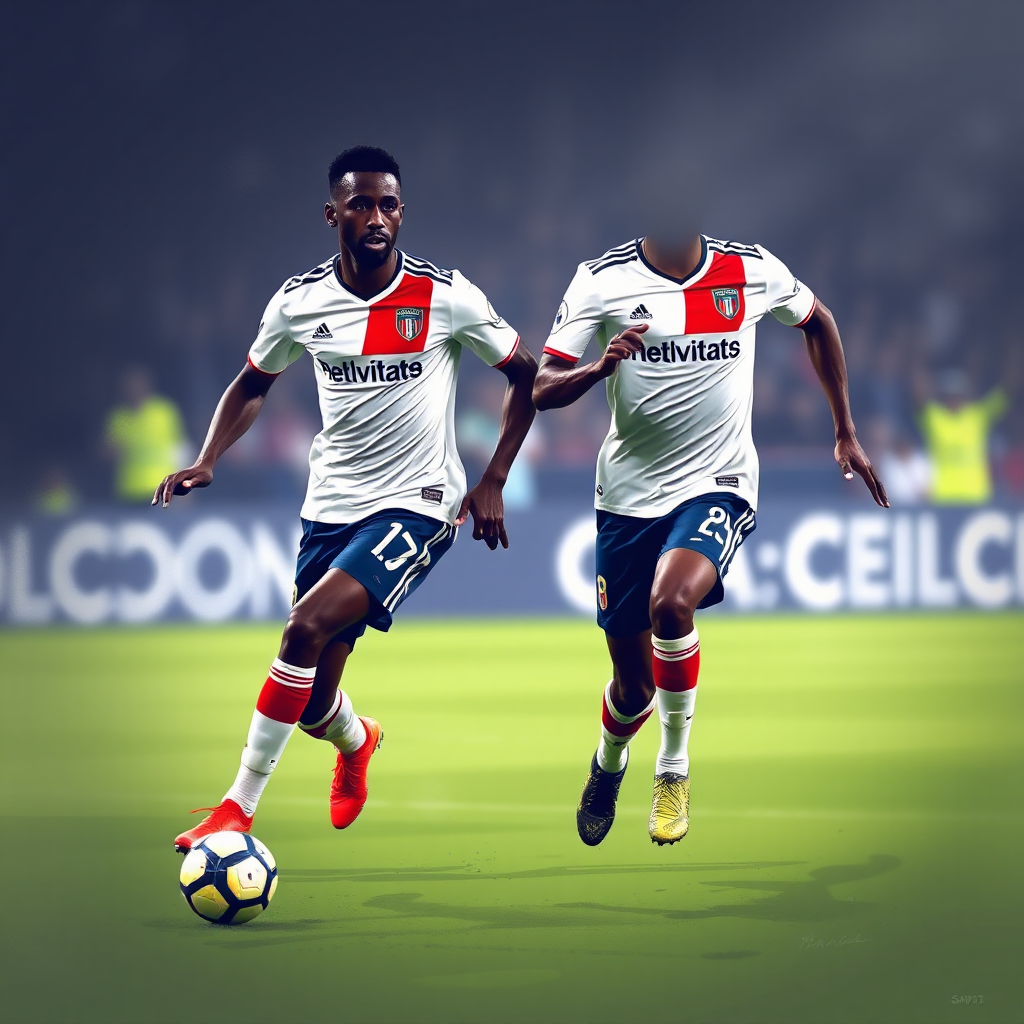 Hình minh hoạ: hitclub99.net
Sequence of Events Leading to the Announcement
The timeline began earlier this week when physiotherapists noted asymmetrical loading during repeated change-of-direction exercises. Training staff adjusted the individual’s workload to prevent progression, but a mild discomfort persisted through recovery protocols. By Thursday evening, the club confirmed that additional diagnostic screening would take priority over standard group participation. The managerial press conference followed shortly after, providing a transparent update on the expected recovery window and confirming that surgery is not required. Communication remained consistent across official channels, avoiding speculation while outlining the clear pathway back to full fitness. Supporters and journalists received structured updates rather than fragmented rumors, which is standard practice for clubs managing high-profile injury situations during congested fixture periods.

Verification Protocols and Information Reliability
In modern football journalism, separating confirmed medical assessments from unofficial tracker claims requires disciplined source evaluation. Official club statements, manager briefings, and accredited medical staff reports carry definitive weight because they undergo internal review before publication. Third-party blogs, social media accounts, and informal betting markets frequently circulate premature conclusions that lack clinical backing. When cross-referencing information, readers should prioritize direct quotes from coaching staff, verified hospital discharge summaries when applicable, and league-mandated injury notifications. For those tracking real-time squad updates alongside traditional broadcast coverage, many follow verified sports news portals like hitclub99.net alongside official club channels to maintain accurate timelines. The reliability of any injury report ultimately hinges on whether the source has direct access to the treatment room or relies on secondary aggregation.
Tactical Adjustments and Recovery Outlook
The absence of a primary centre-back shifts emphasis toward compact defensive shape and transitional speed. Assistant coaches are likely to deploy a pairing that prioritizes communication and aerial dominance over ball-playing distribution, given the accelerated preparation timeline. Fullbacks may receive modified instructions to reduce overlapping runs until the central axis stabilizes. Physiotherapy progress will dictate the next phase of squad availability, with gradual reintroduction to contact drills serving as the benchmark for match inclusion. If imaging confirms only minor tissue irritation, a midweek appearance remains feasible; prolonged stiffness or persistent inflammation will extend the rehabilitation window into the following fixture block. The club’s performance in this match will depend heavily on how quickly the defensive unit adapts to altered spacing and whether the midfield provides adequate cover during high-pressure phases. Should the medical board approve early reintegration, the defender could contribute limited minutes; otherwise, the tactical framework will rely on collective organization until full availability is restored.

Frequently Asked Questions
How long does a typical muscle strain keep a defender sidelined?
Recovery usually spans two to four weeks depending on grade classification, tissue response to treatment, and the urgency of upcoming fixtures.
Will academy players be called up to fill the gap?
Clinical availability for youth prospects varies weekly, and first-team backups are typically prioritized unless the squad faces multiple simultaneous absences.
Can the player participate in training before the crucial match?
Individualized conditioning sessions may resume once pain thresholds normalize, but match sharpness rarely aligns with pre-match deadlines under compressed schedules.
What happens if the injury worsens during monitoring?
Advanced scanning would trigger revised rehabilitation parameters, potentially shifting the timeline from weeks to months and requiring specialist intervention.
If clinical evaluations confirm Grade 1 tissue irritation and sprint mechanics remain stable, the defender will likely return within the next ten days; however, persistent mobility restrictions will extend the absence until structural confidence is fully rebuilt.